
It’s free to use
Contains over 1100 bioinformatics tools (for genome assembly, annotation, epigenetics, metabolomics, metagenomics, proteomics, statistics, transcriptomics, variant analysis and visualisation)
Contains over 220 reference datasets (e.g. publicly available genome builds)
Tools can be chained together into workflows
Provides 600 GB working data storage for Australian based users
Has supported many researchers around the country undertake their bioinformatics analyses
Offers workbenches tailored for research domains eg. Galaxy Australia’s Genome Lab
Just log-in and start using it
Galaxy Australia
Galaxy Australia is a hosted web-accessible platform that lets you conduct accessible, reproducible, and transparent computational biological research.
Galaxy Australia makes data analysis easy to perform, reproduce, and publish for Australian life science researchers.
Galaxy Australia news
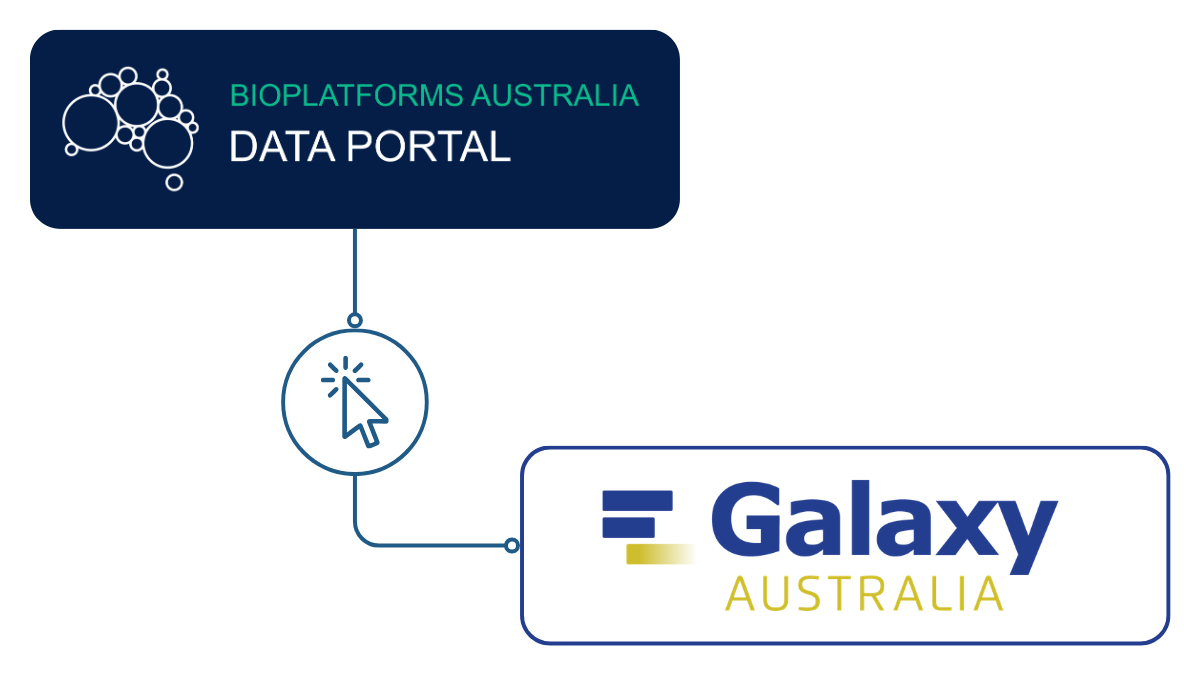
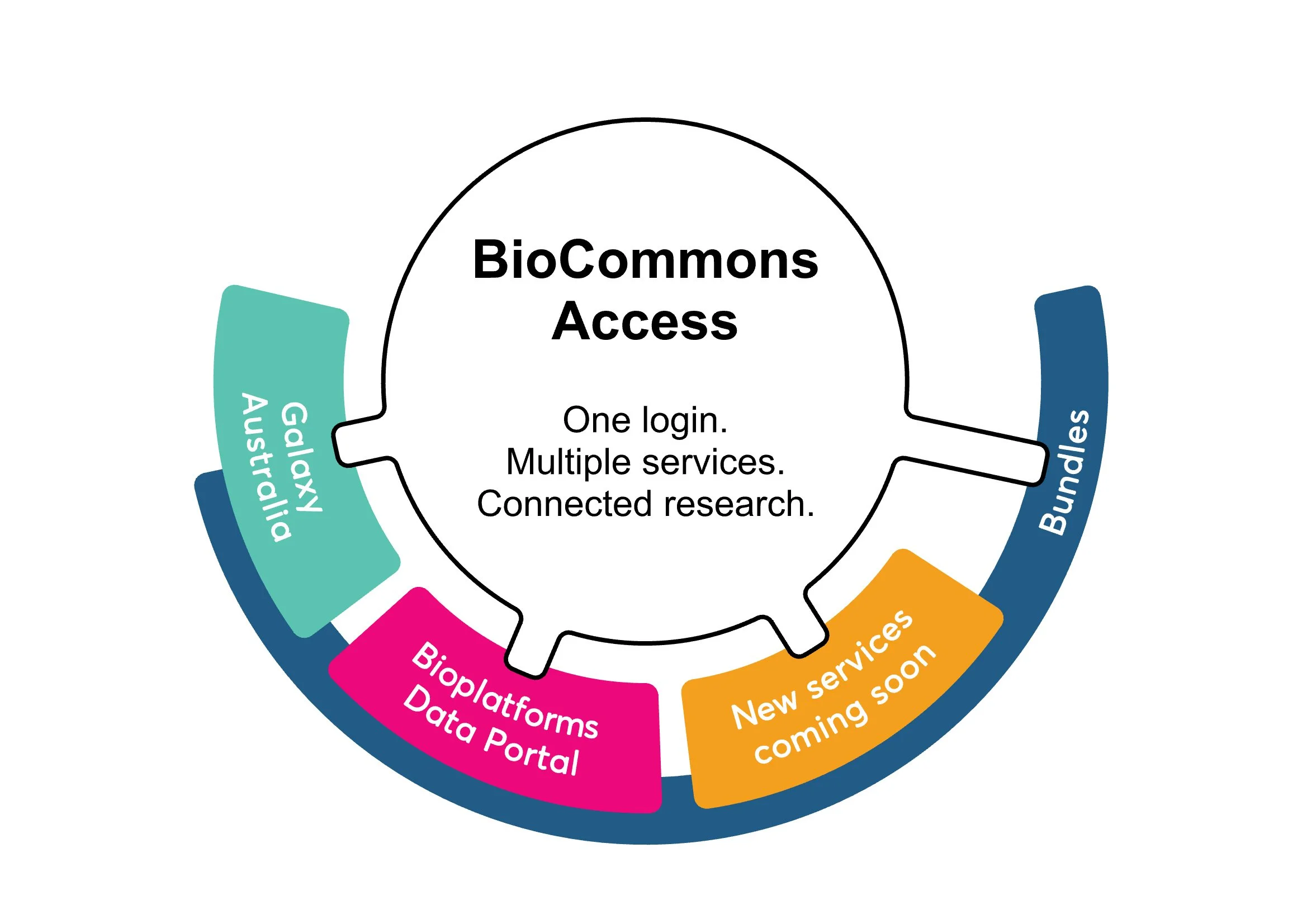
A new one-click data transfer feature now connects the Bioplatforms Data Portal directly to Galaxy Australia. Powered by BioCommons Access, this integration lets researchers instantly send large datasets straight to the analysis platform without having to switch.
The deep learning-based genome annotation tool, Tiberius, is now available in Galaxy Australia. After being wrapped and extensively tested, it is freely available for everyone’s use in the Genome Lab.
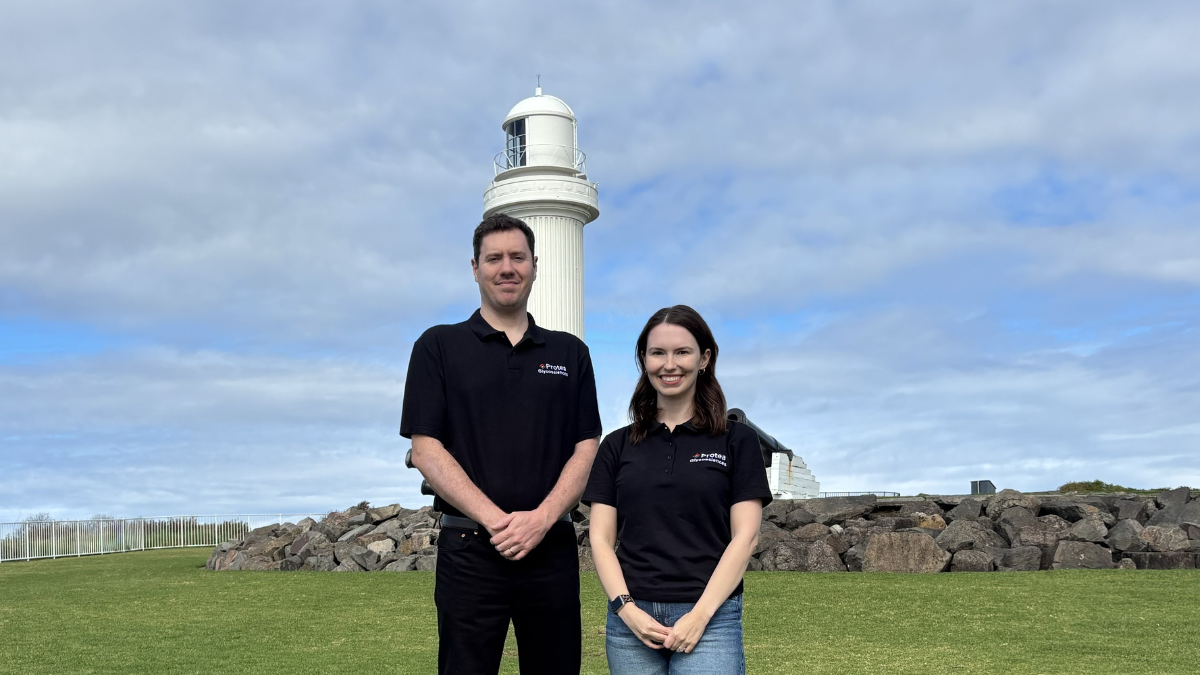
GlyCombo is now live on Galaxy Australia as the platform's first dedicated glycomics software tool. This high-throughput workflow, developed by Protea Glycosciences, offers researchers a streamlined, reproducible way to automate glycan identification from complex mass spectrometry data in just a few clicks.
The Galaxy Labs Engine is featured in a new paper detailing how researchers can build their own tailored digital labs. These bespoke interfaces provide curated tools and synchronised workflows that simplify complex, domain-specific bioinformatics for our community.
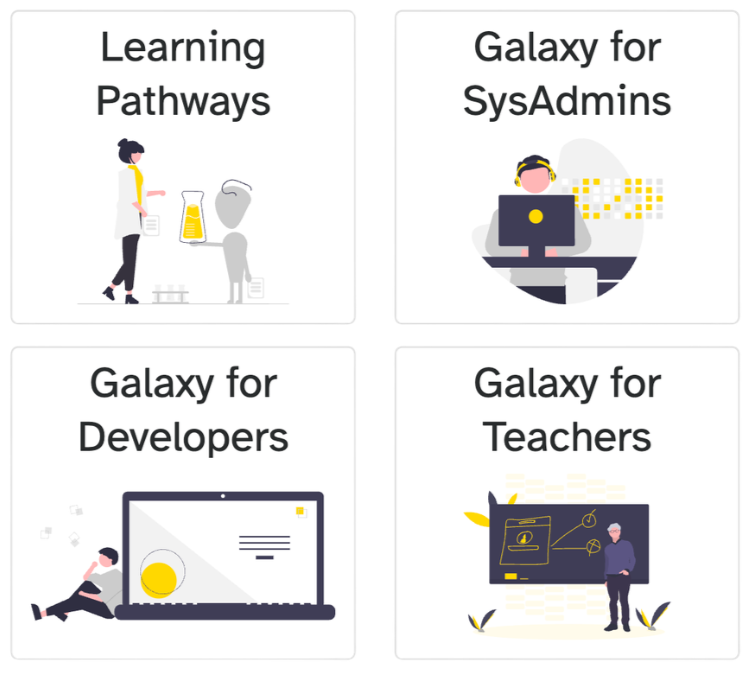
The Galaxy Training Network offers tutorials covering everything from genomics to machine learning. These self-paced resources combine videos and worked examples, allowing researchers to master complex bioinformatics tools.
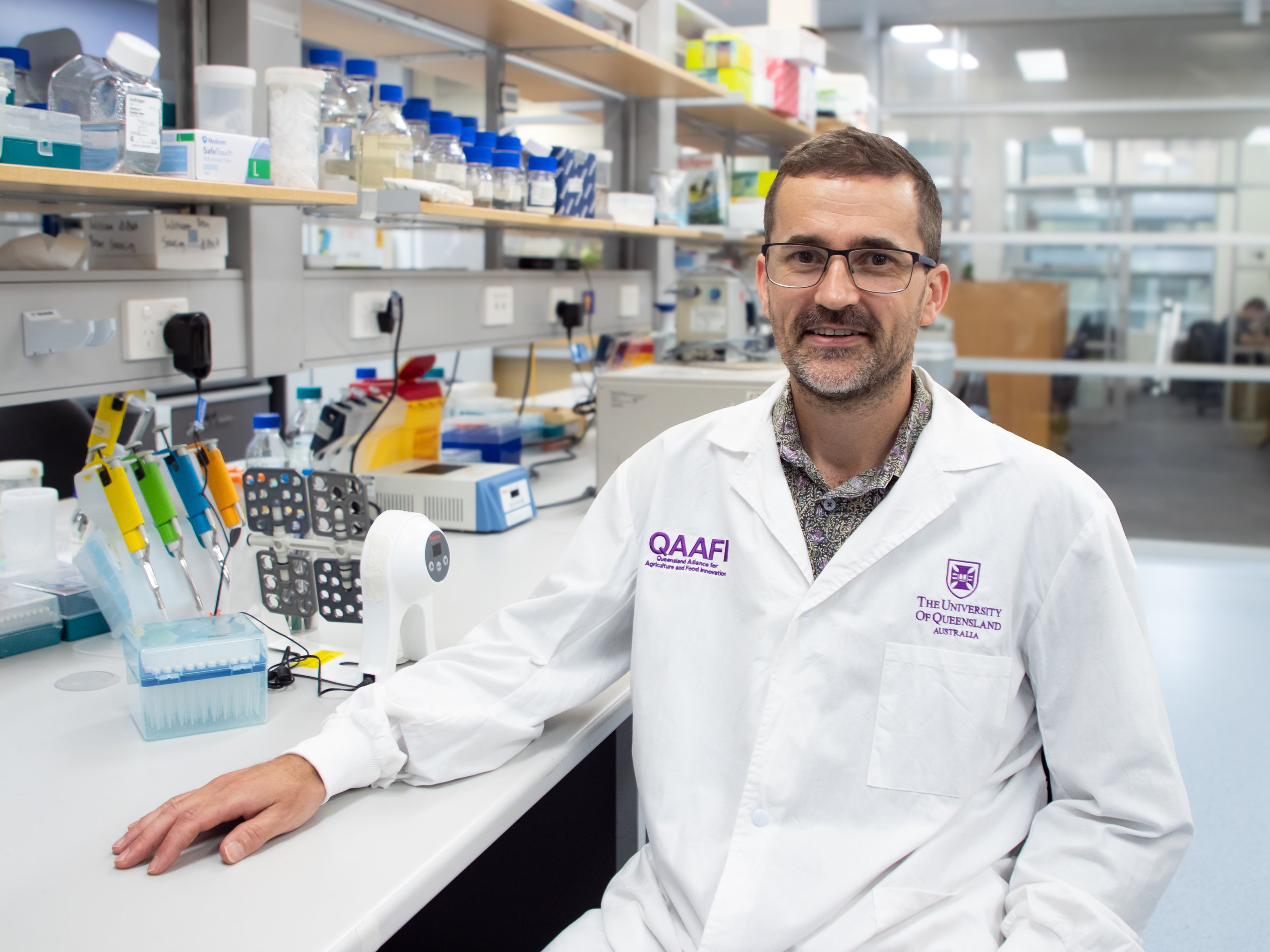
Galaxy Australia solves the technical bottleneck for molecular biologists who need to perform high-level bioinformatics without dedicated coding expertise. Molecular Biologist, Dr Donald Gardiner, from University of Queensland, uses the platform to understand how pathogens cause disease in plants.
BioCommons Access launches in late March 2026 to provide a single sign-on for multiple analysis and data services across our ecosystem. This new system will streamline your research workflow by allowing seamless data transfers and unified access to platforms like Galaxy Australia, the Bioplatforms Australia Data Portal and more.
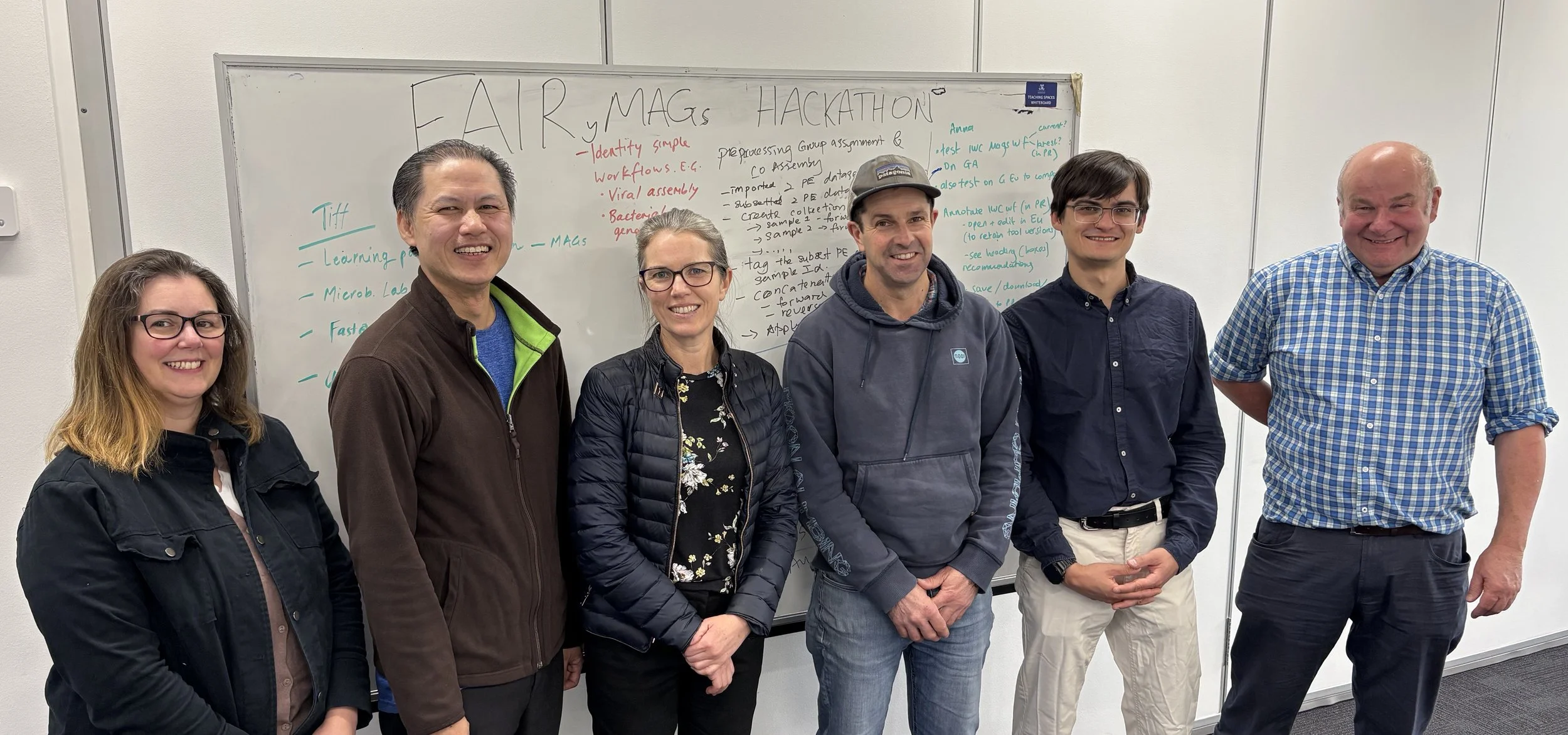
A group of Australian microbiome specialists recently joined multiple ELIXIR nodes and the international Galaxy community for an ‘Optimising MAGS-building workflows’ hackathon.
The Galaxy platform is celebrating its 20th anniversary this year and Galaxy Australia is one of the core BioCommons services. We are proud to provide and support a variety of opportunities for researchers to engage with the team, community and tools.
An enthusiastic new user recently submitted the lucky 11 millionth data analysis job to the Galaxy Australia platform. Plant Bacteriologist Dr Toni Chapman has begun regularly using the fully-subsidised service for her genome assemblies of bacteria important to agricultural plant biosecurity and production.
A passionate group of structural biologists has formed the Australian Structural Biology Computing Community, to share computational knowledge, methods, and resources.
QCIF Ltd has made high-performance hardware available to the Australian BioCommons, giving the hardware a second life and uplifting national capacity for running AlphaFold 2 jobs in Galaxy Australia while supporting innovation through other GPU-enabled tools.
Microbiology Lab offers a customised, user-friendly view of Galaxy Australia that provides rapid access to popular tools, workflows and compute for analysis and visualisation of microbiomes and omics data from microbial isolates.
Galaxy has proven to be such a versatile data analysis platform that Galaxy Australia supports over 41,000 users. Now is the perfect time to get on board with Galaxy, with a variety of ways to get involved on offer in the coming months.
The ten millionth job completed on the Galaxy Australia service analysed pathogen samples for known antibiotic resistance genes using the ABRicate tool. You’d be surprised how many time this Australian tool gets used.
A workshop in Sri Lanka taught medical doctors, research lab workers and university students to use Galaxy Australia for genomic medicine.
A diverse group representing commercial enterprise, academia, government research and citizen scientists gathered at ANU for a hands-on fungi bioinformatics workshop. The skills uplift was designed to support Bioplatforms Australia’s Functional Fungi and Plant Pathogen Omics National Initiatives.
The latest edition of the Australian Outpost of ELIXIR’s BioHackathon Europe brought together a group of researchers in Brisbane to help shape global bioinformatics advancements while networking with other life scientists, bioinformaticians and developers both at home and abroad.
eResearch Australasia will feature BioCommons staff and collaborators presenting a range of our activities and engage with delegates interested in information-centric research capabilities.
Proteomics Lab offers a customised, user-friendly view of Galaxy Australia that provides rapid access to a range of sophisticated proteomics resources alongside the compute proteomics researchers need.
Do you write or maintain bioinformatics tools? Make them accessible to the extensive Galaxy user base by following along with the new Getting Tools into Galaxy videos.
The Australian Government’s Department of Agriculture, Fisheries and Forestry is at the frontline of ensuring the safety of plant materials that are commercially imported. With increasing demand for high throughput screening, they leveraged Galaxy Australia to help ensure new diseases don't slip through.
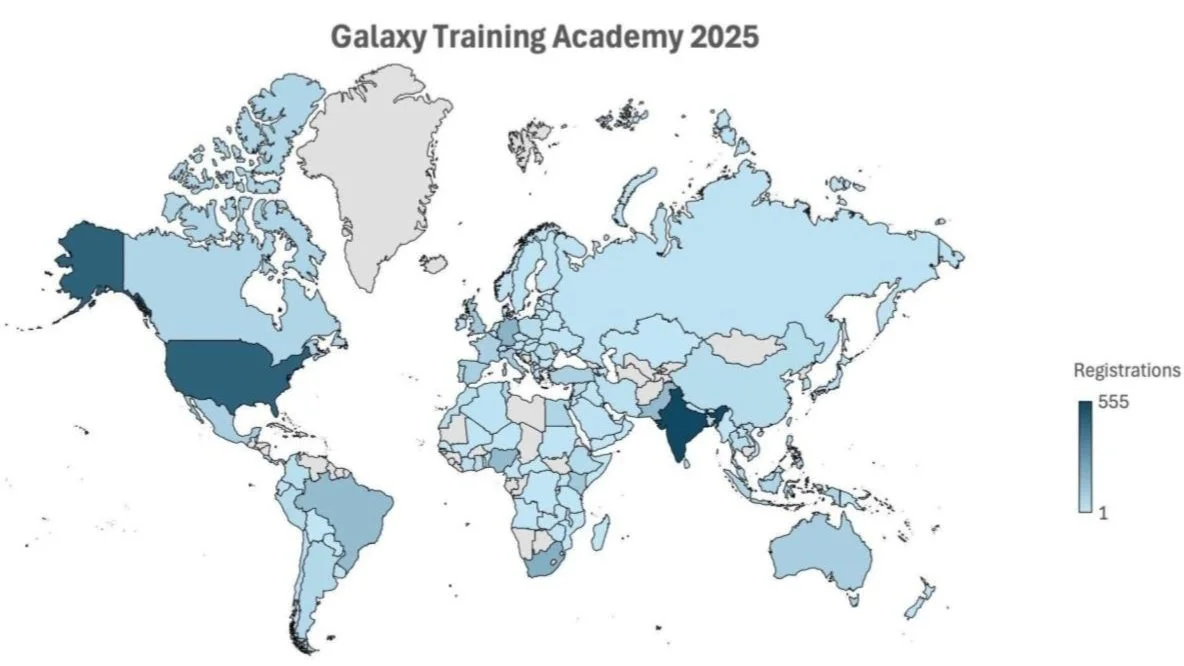
The Galaxy Training Academy 2024 is a week-long, completely free, global online event will help you master the Galaxy platform for data analysis.
The Galaxy Community Conference was the perfect meeting place for Galaxy Australia team members to help celebrate Galaxy’s successes, developments, and work together with the international community.
Conservation decisions are becoming better informed by important genetic information thanks to a new set of bioinformatics workflows that assemble and annotate reference genomes for threatened vertebrate species.
Australian BioCommons delivers collaborative distributed infrastructure to enable life science research. The above BioCommons partners are collaborating to offer the Galaxy Australia service which is managed by QCIF, the University of Melbourne, AARNet and the University of Queensland, and underpinned by computational resources provided by AARNet, ARDC Nectar Research Cloud, the University of Melbourne, the University of Queensland, QCIF, National Computational Infrastructure, Pawsey Supercomputing Research Centre and Microsoft Azure. These efforts are supported by funding from the University of Melbourne, the Queensland Government and Bioplatforms Australia. Bioplatforms Australia are enabled by NCRIS.