| Trainer | Affiliation | ORCiD | Years |
|---|
Bioinformatics Trainers
-
Abdul Baten
AgResearch NZ
-
Adele Barugahare
Monash Bioinformatics Platform
-
Adria Closa-Mosquer
Australian National University
-
Ahmed Mehdi
University of Queensland
-
Akanksha Srivastava
Australian National University (JCSMR)
-
Akriti Varshney
Monash University
-
Alan Rubin
-
Alex Ip
AARNet
-
Alexander Schmidt-Lebuhn
Centre for Australian National Biodiversity Research, CSIRO
-
New List Item
Description goes here
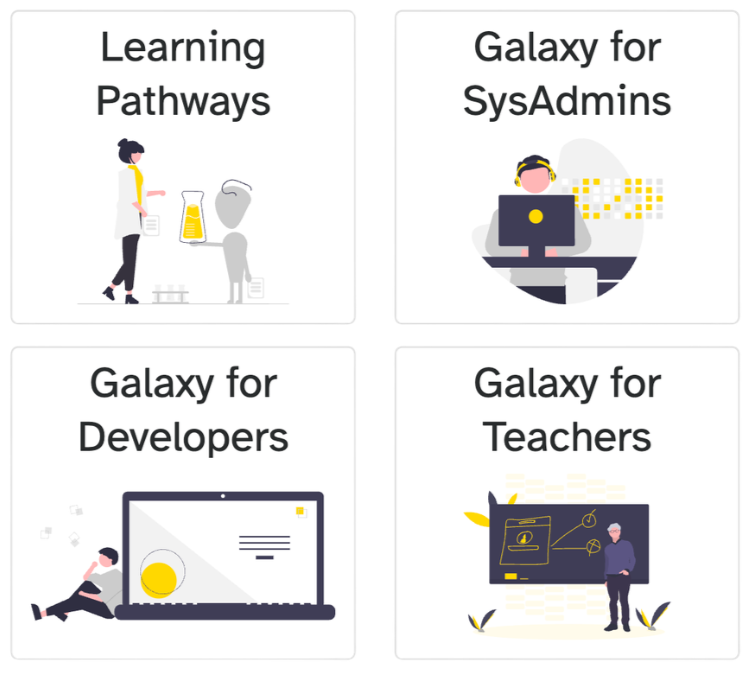
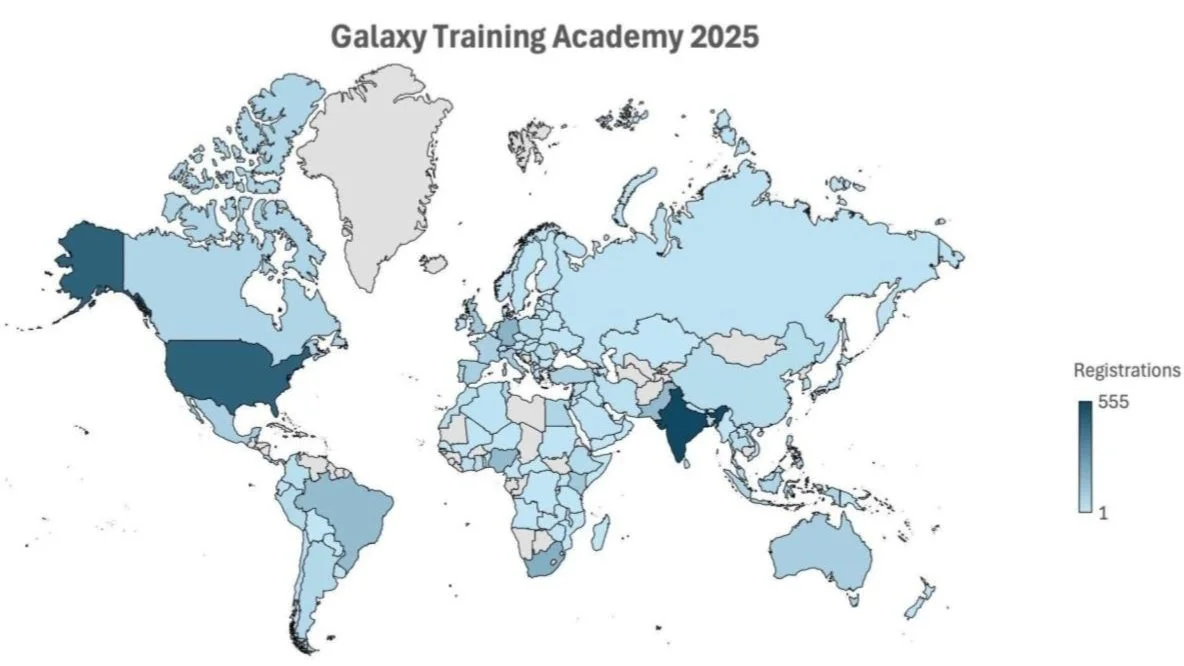
The Galaxy Training Network offers tutorials covering everything from genomics to machine learning. These self-paced resources combine videos and worked examples, allowing researchers to master complex bioinformatics tools.
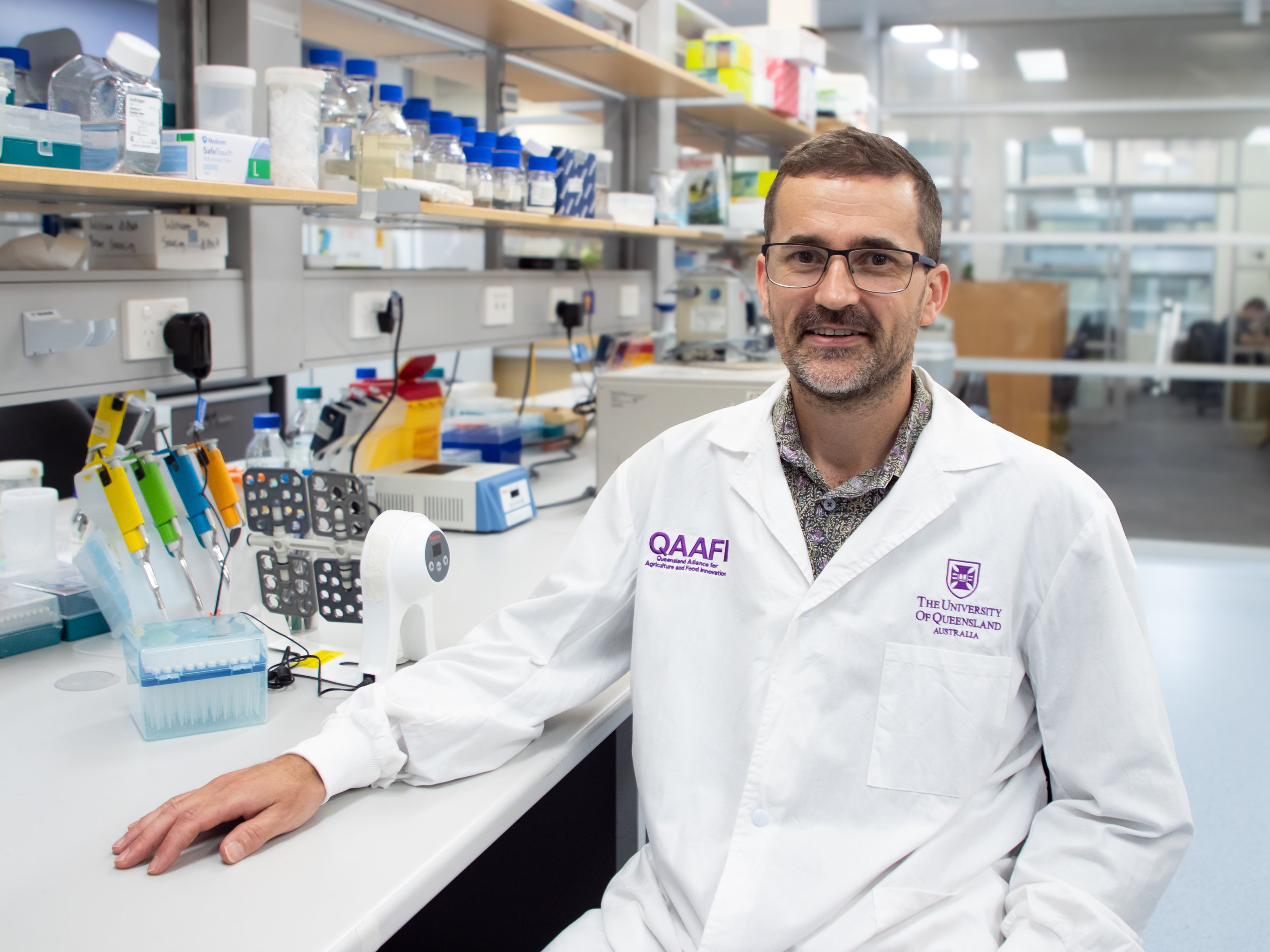
Galaxy Australia solves the technical bottleneck for molecular biologists who need to perform high-level bioinformatics without dedicated coding expertise. Molecular Biologist, Dr Donald Gardiner, from University of Queensland, uses the platform to understand how pathogens cause disease in plants.
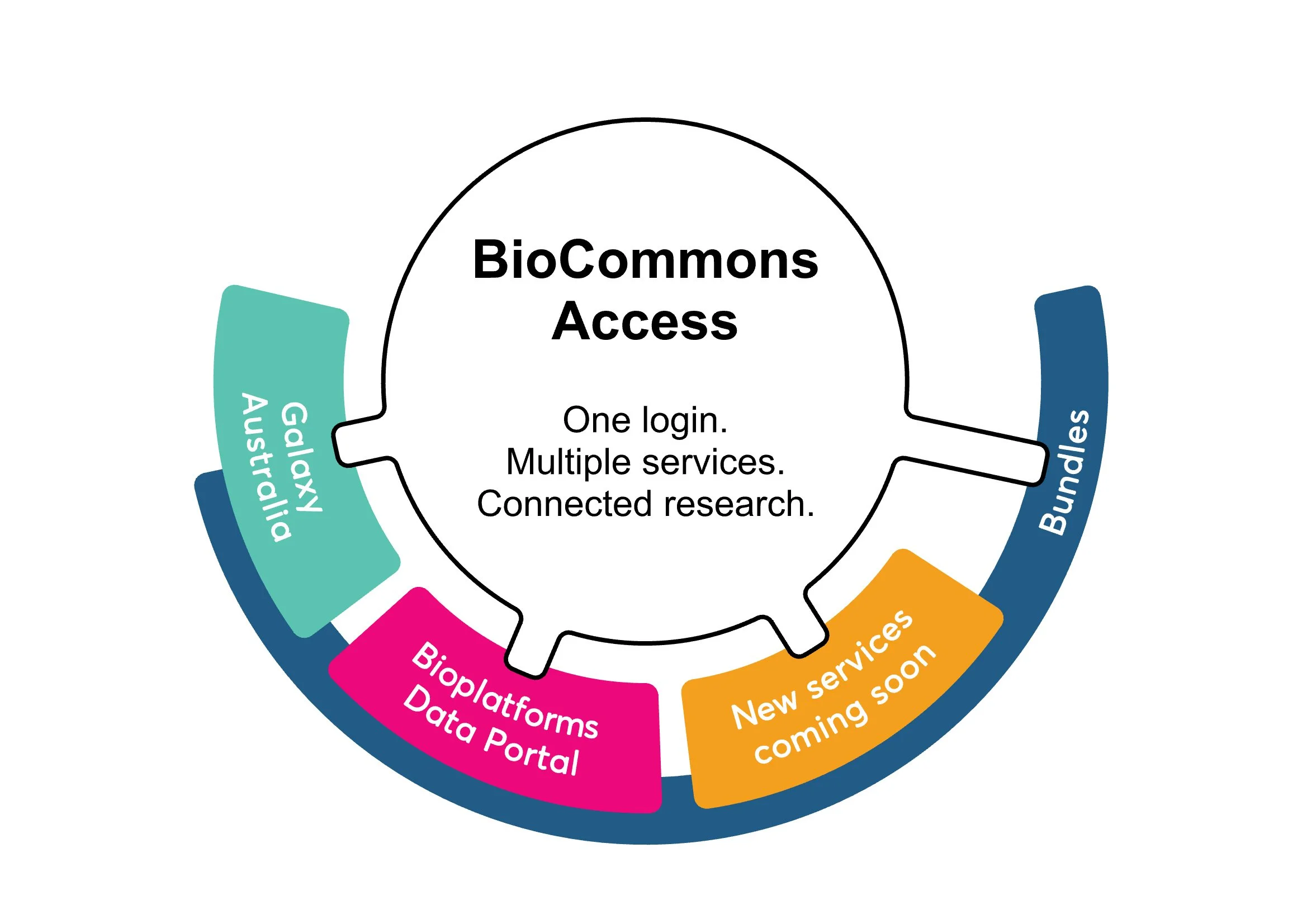
BioCommons Access launches in late March 2026 to provide a single sign-on for multiple analysis and data services across our ecosystem. This new system will streamline your research workflow by allowing seamless data transfers and unified access to platforms like Galaxy Australia, the Bioplatforms Australia Data Portal and more.
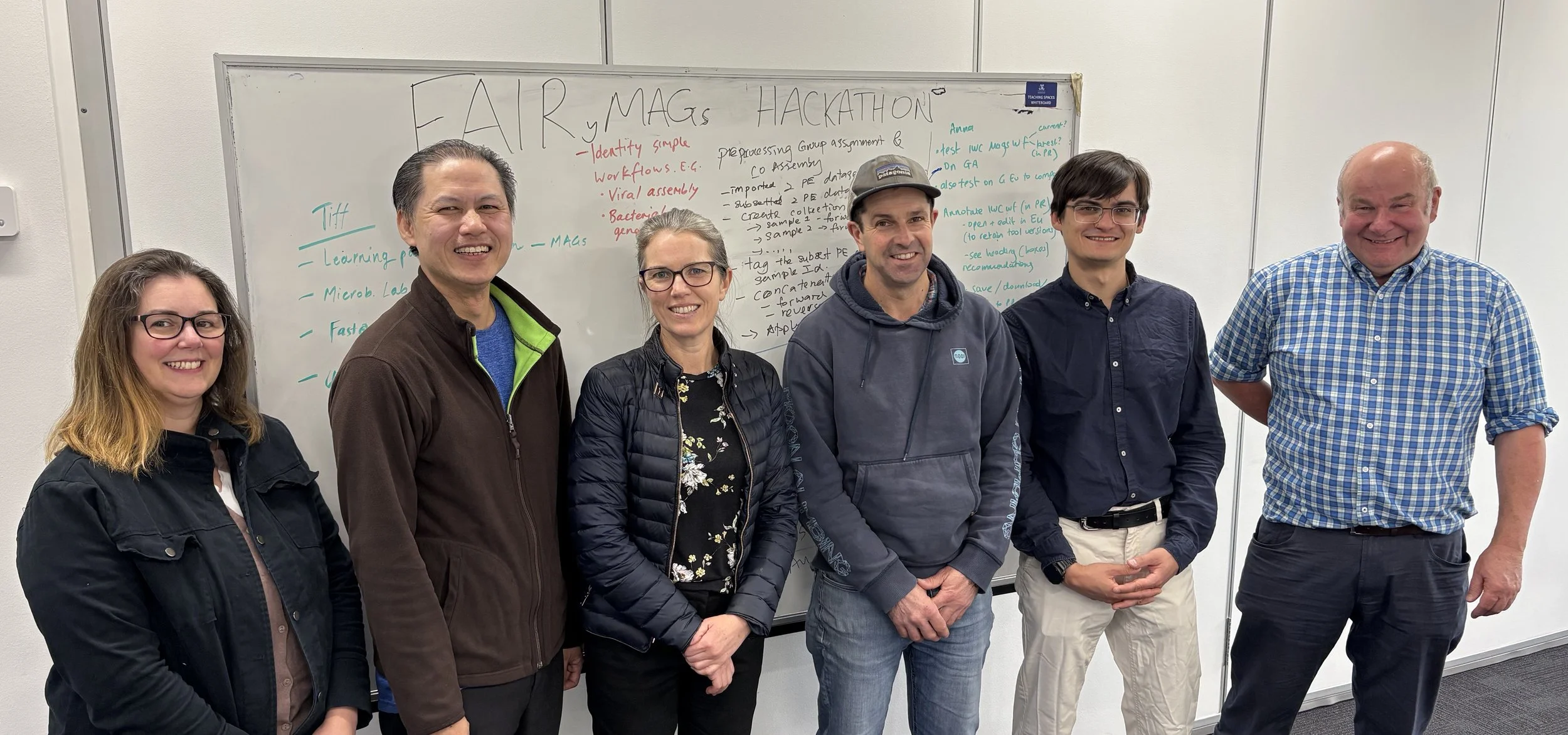
A group of Australian microbiome specialists recently joined multiple ELIXIR nodes and the international Galaxy community for an ‘Optimising MAGS-building workflows’ hackathon.
The Galaxy platform is celebrating its 20th anniversary this year and Galaxy Australia is one of the core BioCommons services. We are proud to provide and support a variety of opportunities for researchers to engage with the team, community and tools.
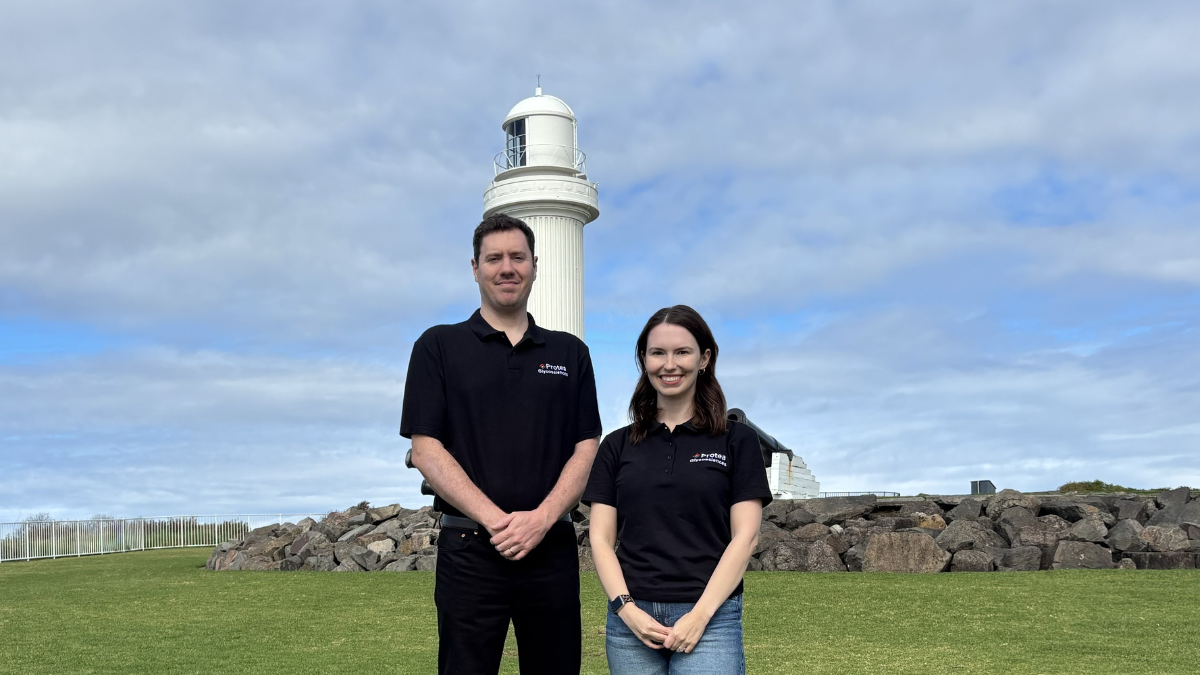
An enthusiastic new user recently submitted the lucky 11 millionth data analysis job to the Galaxy Australia platform. Plant Bacteriologist Dr Toni Chapman has begun regularly using the fully-subsidised service for her genome assemblies of bacteria important to agricultural plant biosecurity and production.
A passionate group of structural biologists has formed the Australian Structural Biology Computing Community, to share computational knowledge, methods, and resources.
QCIF Ltd has made high-performance hardware available to the Australian BioCommons, giving the hardware a second life and uplifting national capacity for running AlphaFold 2 jobs in Galaxy Australia while supporting innovation through other GPU-enabled tools.
Microbiology Lab offers a customised, user-friendly view of Galaxy Australia that provides rapid access to popular tools, workflows and compute for analysis and visualisation of microbiomes and omics data from microbial isolates.
Galaxy has proven to be such a versatile data analysis platform that Galaxy Australia supports over 41,000 users. Now is the perfect time to get on board with Galaxy, with a variety of ways to get involved on offer in the coming months.
The ten millionth job completed on the Galaxy Australia service analysed pathogen samples for known antibiotic resistance genes using the ABRicate tool. You’d be surprised how many time this Australian tool gets used.
A workshop in Sri Lanka taught medical doctors, research lab workers and university students to use Galaxy Australia for genomic medicine.
A diverse group representing commercial enterprise, academia, government research and citizen scientists gathered at ANU for a hands-on fungi bioinformatics workshop. The skills uplift was designed to support Bioplatforms Australia’s Functional Fungi and Plant Pathogen Omics National Initiatives.
The latest edition of the Australian Outpost of ELIXIR’s BioHackathon Europe brought together a group of researchers in Brisbane to help shape global bioinformatics advancements while networking with other life scientists, bioinformaticians and developers both at home and abroad.
eResearch Australasia will feature BioCommons staff and collaborators presenting a range of our activities and engage with delegates interested in information-centric research capabilities.
Proteomics Lab offers a customised, user-friendly view of Galaxy Australia that provides rapid access to a range of sophisticated proteomics resources alongside the compute proteomics researchers need.