
Shaping the next phase of Australian human omics infrastructure
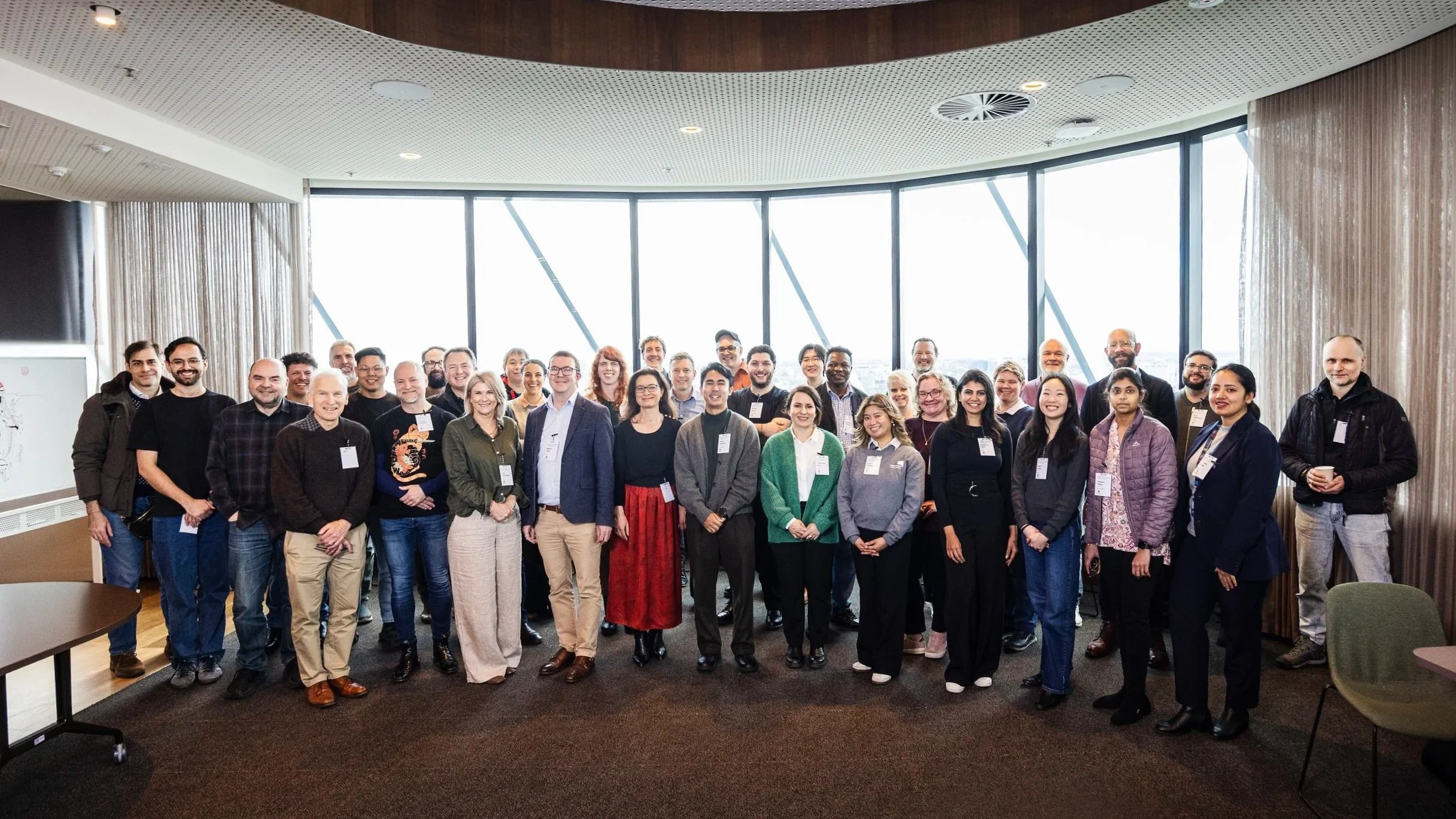
GUARDIANS program leads and project delivery partners from across Australia gathered this month for the third GUARDIANS partner meeting. Held in Melbourne, the two-day event provided a forum to showcase achievements, discuss challenges, and plan for the future of secure, responsible genomic data infrastructure in Australia.
As this Australian BioCommons program enters its third year, the focus of the community is shifting from building the technical foundations to delivering sustainable, impactful and scalable solutions. Reflecting on the progress made so far, Prof Bernie Pope, A/Director, Human Genome Informatics at Australian BioCommons and Lead for the GUARDIANS project, noted:
‘We have reached a major program milestone - Phase I successfully demonstrates that Australia now has the production-ready digital research infrastructure, services, and expertise necessary to support human omics research at scale. We look forward to continuing our work in Phase II of the program, delivering national impact and lasting value for the broader research community.’
How do we build data systems for the future?
The meeting featured a comprehensive schedule of partner presentations, collaborative problem-solving sessions, and insightful keynotes that framed the program’s real-world applications.
The opening talk was a powerful joint presentation titled ‘Building Data Systems for Indigenous Precision Healthcare’ that explored how ethical, culturally informed data governance is driving equitable health outcomes. Delivered by Adam Heterick, Bioinformatician at Black Ochre Labs, The Kids Research Institute Australia and the National Centre for Indigenous Genomics (NCIG), Australian National University, and A/Prof Jimmy Breen, Chief Data Scientist of the Indigenous Genomics research group at The Kids Research Institute Australia in Adelaide, the presentation highlighted the key message of being ‘Open as possible, closed as necessary’ and the need for relationship building.
On the second day, Dr Matilda Haas, Director at Genomics Australia, spoke on strategic priorities for integrating genomics into healthcare, which sparked valuable discussions around data governance, infrastructure, and future touchpoints with the Precision Health Initiative. By mapping out these intersections, the partners explored how to ensure the frameworks and solutions currently being built will effectively support downstream clinical applications.
What lessons are important for the GUARDIANS Program in Phase II?
Discussions over the two days converged on two important themes:
Governance, trust and responsible data use need to be embedded from the beginning
Governance needs to be considered throughout the data lifecycle, alongside technical design, access, security and community engagement. Building trust early and establishing clear, practical governance enables collaboration rather than creating barriers to it.
Interoperability and collaboration are key to getting greater value from what we have built
The importance of shared standards, common approaches, connected services and the ability for different environments to work together. The value of the infrastructure increases dramatically when services are connected and capabilities can be reused across projects rather than developed independently.
A new GUARDIANS website has been launched that shows how all of the strategic partners and activities are coming together to shape a new Australia's human omics ecosystem. It offers a comprehensive view on individual project updates, pilot services, and collaborative achievements from across the entire network.
