
News
Subscribe to the Australian BioCommons monthly newsletter or read previous editions
Connecting complex health datasets for research and translational impact
The open-source data platform, Gen3, is able to support robust data ecosystems that are tailor-made for their users. Australian BioCommons is supporting multiple deployments through the GUARDIANS Program, helping national consortia management and share their human omics data holdings between research collaborators.
A secure, interconnected approach to managing massive health datasets is enabling Australian researchers to accelerate the path from biological discovery to clinical treatment across multiple disease areas. By establishing shared digital infrastructure for complex genomic, multi-omic, and clinical data, national research teams can now pool resources, protect sensitive information, and collaborate at an unprecedented scale.
The open-source data platform, Gen3, is able to support robust data ecosystems that are tailor-made for their users. Australian BioCommons is supporting multiple deployments through the GUARDIANS Program, helping national consortia management and share their human omics data holdings between research collaborators.

Originally developed at the University of Chicago to power National Institutes of Health (NIH) initiatives, Gen3 provides a secure and scalable framework to receive, manage, and describe large-scale datasets while ensuring secure, governed access for authorised users. BioCommons helped establish the international Gen3 Community Forum, and regularly interacts with the rapidly growing community of people wrangling large and complex research datasets in the cloud.
Prof Bernard Pope, GUARDIANS Program Lead and A/Director (Human Genome Informatics) at Australian BioCommons, highlights the value of this approach:
‘Data commons are a key factor in impactful and collaborative genomic research. The ability to securely connect, govern, and analyse large datasets is increasingly important for translating research into meaningful clinical and health outcomes.’
‘Through the GUARDIANS Program, we have leveraged the capabilities of the Gen3 platform, which has already extensively been used by researchers on the global scale, to ensure Australian researchers have the tools to effectively work with the available genomic data.’
How is Gen3 being used in Australian health research?
BioCommons is implementing Gen3 platforms for multiple landmark national projects, demonstrating its versatility across diverse data types and research fields:
Australian Cardiovascular disease Data Commons (ACDC): Led by the Baker Heart and Diabetes Institute, the ACDC securely pools multi-omics data, longitudinal outcomes, and imaging from approximately 400,000 individuals across 18 Australian cohorts to discover new risk markers for heart attacks
Biological Psychiatry Data Commons (BPsyc-DC): Developed in partnership with the Consortium for Preclinical Psychiatric Research (CPPR), the BPsyc-DC will provide a national digital infrastructure to harmonise multi-omics data across cellular, animal, and human models of psychiatric disorders
Px4 Health: Led by the University of Melbourne, Px4 Health utilises cutting edge multi-omics technology and deep phenotyping to deliver an Australian first for personalised medicine. By providing a secure, end-to-end data solution, Px4 Health is underpinning major clinical initiatives in rare and chronic disease, as well as establishing a baseline of health data on a cross section of the community.
Supported by recent additional NCRIS funding, GUARDIANS will implement additional data commons to expand participation for new priority health areas.
Register for the upcoming webinar ‘Launching the Australian Cardiovascular disease Data Commons’
Read more about the Biological Psychiatry Data Commons
Building the Biological Psychiatry Data Commons
The development of a new national resource is underway that will unite pre-clinical models, data and researchers to better understand mental disorders at the molecular level.
The development of a new national resource is underway that will unite pre-clinical models, data and researchers to better understand mental disorders at the molecular level. It will support the discovery, management and analysis of harmonised multi-omics data across diverse psychiatric model systems, allowing researchers to move faster from discovery to clinical impact.
The Biological Psychiatry Data Commons (BPsyc-DC) is being built through a partnership between Australian BioCommons, Phenomics Australia, the Australian Research Data Commons (ARDC), Bioplatforms Australia and the Consortium for Preclinical Psychiatric Research (CPPR). It builds on the Australian Psychiatric Research Knowledge Bank initiative from the CPPR in conjunction with Bioplatforms Australia, which brings together CPPR-associated biosamples and datasets generated in partnership with national infrastructure organisations

The CPPR is a national collaboration led by Monash University researchers Prof Rachel Hill and Prof Suresh Sundram, and provides coordination and leadership for a nation-first effort to standardise and integrate large-scale molecular data generated from cellular, animal and human models of psychiatric disorders.
‘The new Biological Psychiatry Data Commons will provide shared digital infrastructure, governance frameworks and interoperability,’ said Prof Rachel Hill.
‘It will support the progression from curated datasets toward an integrated, reusable national resource, and will help us accelerate the translation of biological discoveries into real-world clinical outcomes.’
How will a data commons impact preclinical research into mental disorders?
Mental disorders are among the leading contributors to disease burden in Australia and globally, yet progress toward biomarkers and disease-modifying treatments has been limited. Diagnoses remain largely symptom-based, and existing treatments are often only partially effective and are associated with significant side effects. This represents a major unmet medical need for individuals, families and communities affected by mental illness.
A key barrier to progress in biological psychiatry is the fragmentation of research data. Insights into disease mechanisms are generated across cellular, animal and human studies, but these data are typically siloed, modest in scale, and challenging to integrate. The absence of shared infrastructure to harmonise, manage and analyse data across model systems limits statistical power, slows discovery, and constrains translation into clinical impact.
At its core, the BPsyc-DC is a cloud-based data platform with appropriate ethical oversight and governance, enabling the research community to manage, analyse and share sensitive data responsibly while maximising reuse and impact.
The BPsyc-DC is designed to:
Support harmonisation of multi-omics data across cellular, animal and human psychiatric models
Enable secure, governed access to data under CPPR-led ethical and data governance frameworks
Improved discoverability and reuse of psychiatric research data through FAIR principles and national catalogues
Facilitate scalable, cross-cohort and cross-model analyses that increase statistical power and biological insight
Interoperate with national and international research data infrastructure to support collaboration and sustainability.
As a foundational capability, the BPsyc-DC is built to expand over time. Future directions include the incorporation of additional data types (such as epigenomics, metabolomics, lipidomics, and immune or inflammatory phenotyping), scaling to support a broader range of mental disorder models, and integrating secure analytics environments and AI-enabled tools to enhance hypothesis generation.
Read more about the Biological Psychiatry Data Commons
Simplifying data movement for faster analysis: the new link between the Bioplatforms Data Portal and Galaxy Australia
A new one-click data transfer feature now connects the Bioplatforms Data Portal directly to Galaxy Australia. Powered by BioCommons Access, this integration lets researchers instantly send large datasets straight to the analysis platform without having to switch.
Moving data is a key part of the research workflow, and can become a bottleneck if there’s significant separation between steps. Researchers are increasingly using multiple services and have to take on the role of the ‘network switch,’ moving their data back and forth to complete isolated functions.
A new data movement feature streamlines the connection between data and analysis, with a fast one-click transfer of data from Bioplatforms Data Portal for immediate analysis using the fully-subsidised Galaxy Australia service. By selecting your data and clicking 'Send to Galaxy', the previously manual process happens automatically and invisibly in the background - appearing in your Galaxy history ready for analysis.
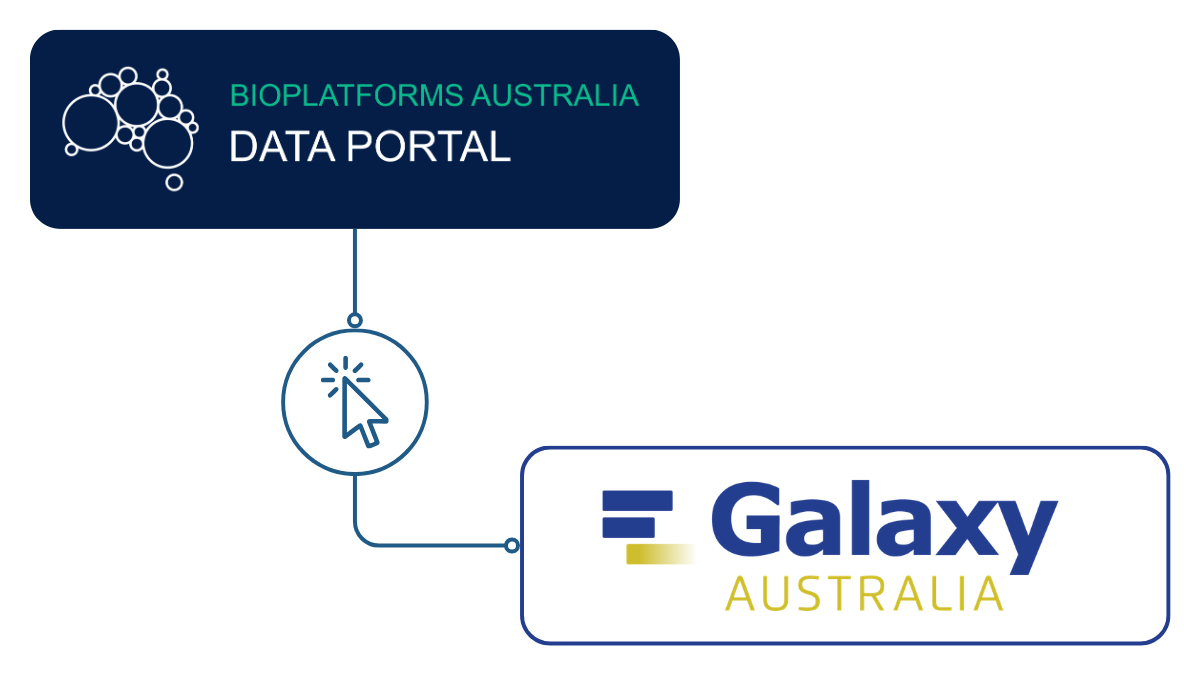
The Bioplatforms Data Portal hosts over 400TB of valuable reference molecular life sciences data covering agriculture, biomedicine, the environment and industry. The data is generated by national collaborative projects using integrated ‘omics infrastructure to generate high-impact data and knowledge resources to support some of Australia’s biggest scientific challenges. The need to move data into an analysis environment like Galaxy Australia has now become very simple.
Biologist and bioinformatician, Dr Amy Tims, performs data QC, genome assembly, and data curation for the Australian Fish Genomics Initiative established by Bioplatforms Australia and Minderoo Foundation. Consisting of genomics, genetics and transcriptomics data from 56 partner projects representing fish species from all major Australian habitats, access to this huge volume of high-quality data is valuable for research into freshwater, estuarine and marine environments. Amy stated:
‘Being able to move data straight over to Galaxy from the Data Portal without having to copy-paste lots of URLs or download files first saves a lot of time and effort. The new connection makes it super-easy to grab your data and start analysing without any fiddly intermediate steps’
This integration was made possible by the introduction of the single-sign on system, BioCommons Access. Aiming to become a universal "key" to securely find, analyse, and move biological data, 3131 existing users of the Galaxy Australia and Bioplatforms Data Portal services were smoothly migrated across to the new system, and 3993 brand new accounts have signed up since March 2026.
What are the key benefits of BioCommons Access?
Single sign-on access to multiple analysis and data services
Streamlined use of Galaxy Australia and the Bioplatforms Australia Data Portal - other services coming soon!
A central portal to manage your user profile across services
Connection to curated bundles of tools and data
Read more about how National supercomputing and expertise to enable the Australian Fish Genomics Initiative
Sign up for BioCommons Access
Unlocking multi-omics data to transform cardiovascular precision medicine
The Australian Cardiovascular disease Data Commons (ACDC) is launching as a cloud-based research platform built to accelerate the discovery of new risk markers for heart attack and stroke.
The Australian Cardiovascular disease Data Commons (ACDC) is launching as a cloud-based research platform built to accelerate the discovery of new risk markers for heart attack and stroke. The ACDC aims to build a secure, scalable, internationally integrated data infrastructure connected to best practice analysis platforms to enable the identification of novel insights, therapeutic targets and predictive biomarkers for coronary artery disease. Ultimately, the platform will facilitate a translational pipeline to ensure the deployment and evaluation of these predictors within clinical practice.
Why is a national data commons needed for cardiovascular disease
There is a current, known clinical gap, with up to 27% of heart attack patients having none of the well-known risk factors when they initially present to a GP. These can include high blood pressure, cholesterol, diabetes or smoking, and many people with coronary artery disease go on to have a second, life-threatening event despite optimal treatment. The ACDC aims to tackle this gap by securely pooling multi-omics data, longitudinal outcomes, and imaging from approximately 400,000 individuals across 18 Australian cohorts.
Prof Peter J. Meikle (Project Lead, Baker Heart and Diabetes Institute) highlights the urgency behind the project:
‘We need to understand what's really driving disease in these patients who are flying under the radar. This data commons will speed up how quickly new health technologies reach patients, and we expect it will generate a new precision medicine ecosystem in Australia.’
Led by the Baker Institute, contributions from a diverse group of participants are co-ordinated by BioCommons. The Baker Institute, the Australian Cardiovascular Alliance (ACvA), the University of Sydney, 23Strands, CSL Limited, BioCommons, data custodians and other partners are working together on infrastructure establishment, cohort onboarding and harmonisation, testing, validation, use case exploration, user experience, documentation, training, governance and intellectual property arrangements. BioCommons leads the implementation of the critical digital infrastructure underpinning the ACDC as part of the Australian BioCommons Human Genome Informatics activity.
Find out more at the online launch webinar
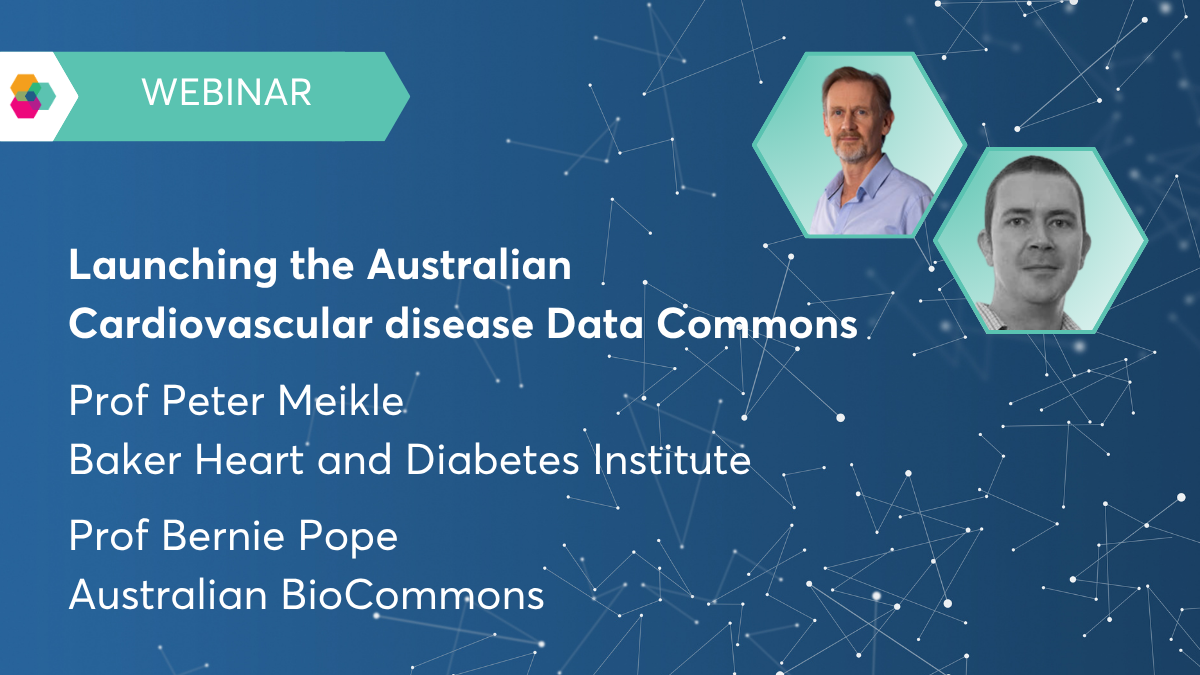
If you would like to learn more, you are invited to join a live webinar on 30 September 2026, 12 - 1 pm AEST. The session, featuring Prof Peter J. Meikle and Dr Tingting Wang (Baker Institute), and Prof Bernie Pope (Australian BioCommons), will explore how ACDC connects researchers to high-throughput data and global analysis environments.
Key topics include:
Development of the data commons: an overview of the cloud infrastructure, data harmonisation processes, and federated standards built on the Gen3 platform
Research value of the platform: how secure access to pooled multi-omics, genomic, and imaging cohorts enables researchers to discover new risk markers and test Polygenic Risk Scores.
Future clinical applications: how the ACDC will streamline translational pipelines to bring new diagnostic tools into clinical practice.
Shaping the next phase of Australian human omics infrastructure
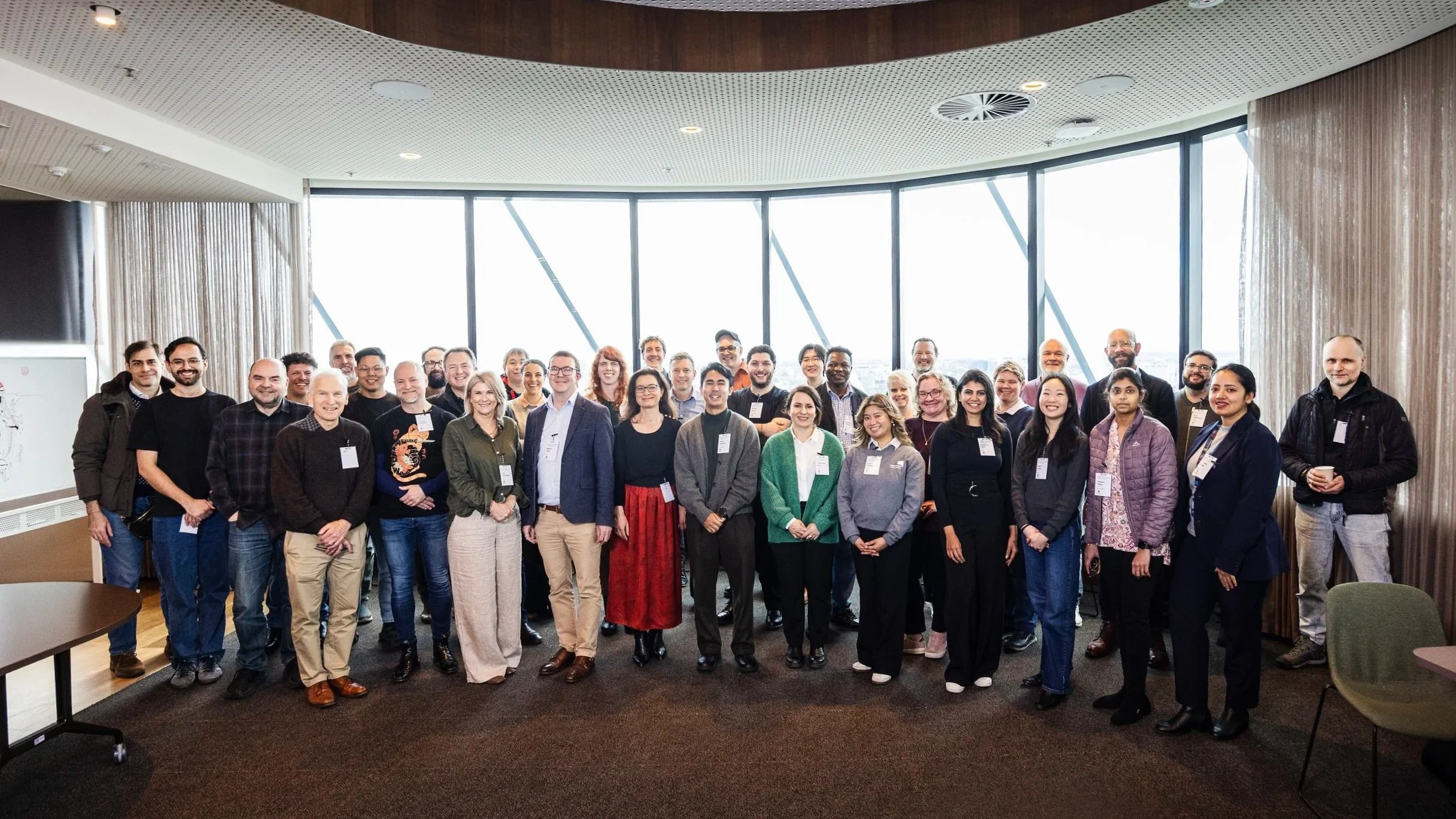
GUARDIANS program leads and project delivery partners from across Australia gathered this month for the third GUARDIANS partner meeting. Held in Melbourne, the two-day event provided a forum to showcase achievements, discuss challenges, and plan for the future of secure, responsible genomic data infrastructure in Australia.
GUARDIANS program leads and project delivery partners from across Australia gathered this month for the third GUARDIANS partner meeting. Held in Melbourne, the two-day event provided a forum to showcase achievements, discuss challenges, and plan for the future of secure, responsible genomic data infrastructure in Australia.
As this Australian BioCommons program enters its third year, the focus of the community is shifting from building the technical foundations to delivering sustainable, impactful and scalable solutions. Reflecting on the progress made so far, Prof Bernie Pope, A/Director, Human Genome Informatics at Australian BioCommons and Lead for the GUARDIANS project, noted:
‘We have reached a major program milestone - Phase I successfully demonstrates that Australia now has the production-ready digital research infrastructure, services, and expertise necessary to support human omics research at scale. We look forward to continuing our work in Phase II of the program, delivering national impact and lasting value for the broader research community.’
How do we build data systems for the future?
The meeting featured a comprehensive schedule of partner presentations, collaborative problem-solving sessions, and insightful keynotes that framed the program’s real-world applications.
The opening talk was a powerful joint presentation titled ‘Building Data Systems for Indigenous Precision Healthcare’ that explored how ethical, culturally informed data governance is driving equitable health outcomes. Delivered by Adam Heterick, Bioinformatician at Black Ochre Labs, The Kids Research Institute Australia and the National Centre for Indigenous Genomics (NCIG), Australian National University, and A/Prof Jimmy Breen, Chief Data Scientist of the Indigenous Genomics research group at The Kids Research Institute Australia in Adelaide, the presentation highlighted the key message of being ‘Open as possible, closed as necessary’ and the need for relationship building.
On the second day, Dr Matilda Haas, Director at Genomics Australia, spoke on strategic priorities for integrating genomics into healthcare, which sparked valuable discussions around data governance, infrastructure, and future touchpoints with the Precision Health Initiative. By mapping out these intersections, the partners explored how to ensure the frameworks and solutions currently being built will effectively support downstream clinical applications.
What lessons are important for the GUARDIANS Program in Phase II?
Discussions over the two days converged on two important themes:
Governance, trust and responsible data use need to be embedded from the beginning
Governance needs to be considered throughout the data lifecycle, alongside technical design, access, security and community engagement. Building trust early and establishing clear, practical governance enables collaboration rather than creating barriers to it.
Interoperability and collaboration are key to getting greater value from what we have built
The importance of shared standards, common approaches, connected services and the ability for different environments to work together. The value of the infrastructure increases dramatically when services are connected and capabilities can be reused across projects rather than developed independently.
A new GUARDIANS website has been launched that shows how all of the strategic partners and activities are coming together to shape a new Australia's human omics ecosystem. It offers a comprehensive view on individual project updates, pilot services, and collaborative achievements from across the entire network.
Ready-to-teach Nextflow training material now available
The Sydney Informatics Hub and Australian BioCommons have developed a reusable instructor package to support trainers in delivering high quality introductory Nextflow training workshops with less preparation.
Behind every successful workshop is more than a good training content. Instructors need tested exercises, suitable data and software, and a delivery plan they can trust.
Following the successful delivery of last year’s Nextflow for the Life Sciences workshop, the Sydney Informatics Hub and Australian BioCommons developed a reusable instructor package to support trainers in delivering introductory Nextflow workshops with less preparation.
The package builds on the workshop’s openly available training content and brings together structured teaching materials, detailed instructor guidance, and the software, data and files needed for delivery. It reduces duplication of effort and gives trainers a tested starting point for planning and delivering their own workshops. Trainers can use the materials as provided or adapt them for different audiences, learning objectives and workshop formats.
The package material has already been used by Peter MacCallum Cancer Centre, WEHI and Melbourne Bioinformatics to deliver an ‘Introduction to Nextflow’ workshop in July 2026. Reflecting on the preparation involved, the workshop organiser Richard Lupat said:
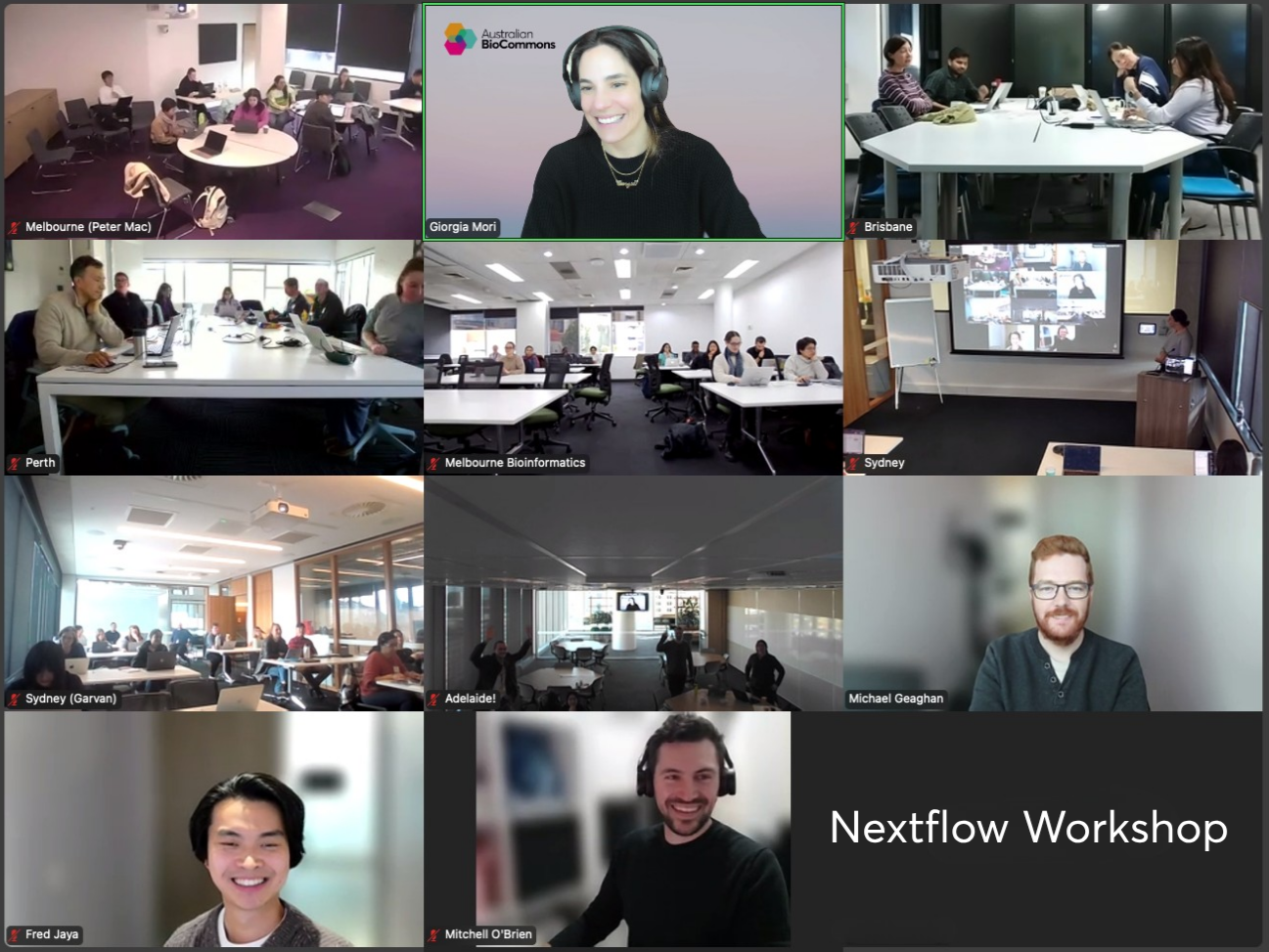
The 2025 Nextflow for the Life Sciences hybrid workshop brought together participants across multiple locations and provided the starting point for the reusable training materials available today.
“This is the least preparation required for a workshop that I have ever needed to run!”
Work is underway to explore preconfigured virtual training environments as an extra support for future workshop delivery. Further information about opportunities to test these environments will be shared as the work progresses.
The team is also working towards packaging materials from the workshops ‘Nextflow on HPC’ and ‘Customising nf-core pipelines’ in the same way, with the longer-term aim of building a reusable collection of Nextflow training resources for the Australian training community.
Interested in delivering your own introductory Nextflow workshop, adapting the materials for your community, or learning more about future opportunities to test the virtual training environments? The Australian BioCommons training team can help: training@biocommons.org.au.
Invitation to present your structural biology research
The Australian Structural Biology Computing Community is seeking Australian EMCR researchers in structural biology to share their work at a special online meeting.
The Australian Structural Biology Computing Community (ASBC) is a group for anyone who uses computing for structural biology research in Australia. They have a newsletter you can subscribe to, a website full of resources, and they meet online at quarterly meetings.
Their community talk series invites speakers from across the international structural biology community to present their work. Meetings in 2026 have featured:
Biswa Prasanna Mishra (Ve lab - Griffith University) - 11th March
Cameron Gilchrist (Steinegger lab - Korea Basic Science Institute Ochang-center) - 20th May
Roland Dunbrack (Dunbrack lab - Fox Chase Cancer Center) - 29th July
Tom Goddard (ChimeraX - UCSF) - 16th September
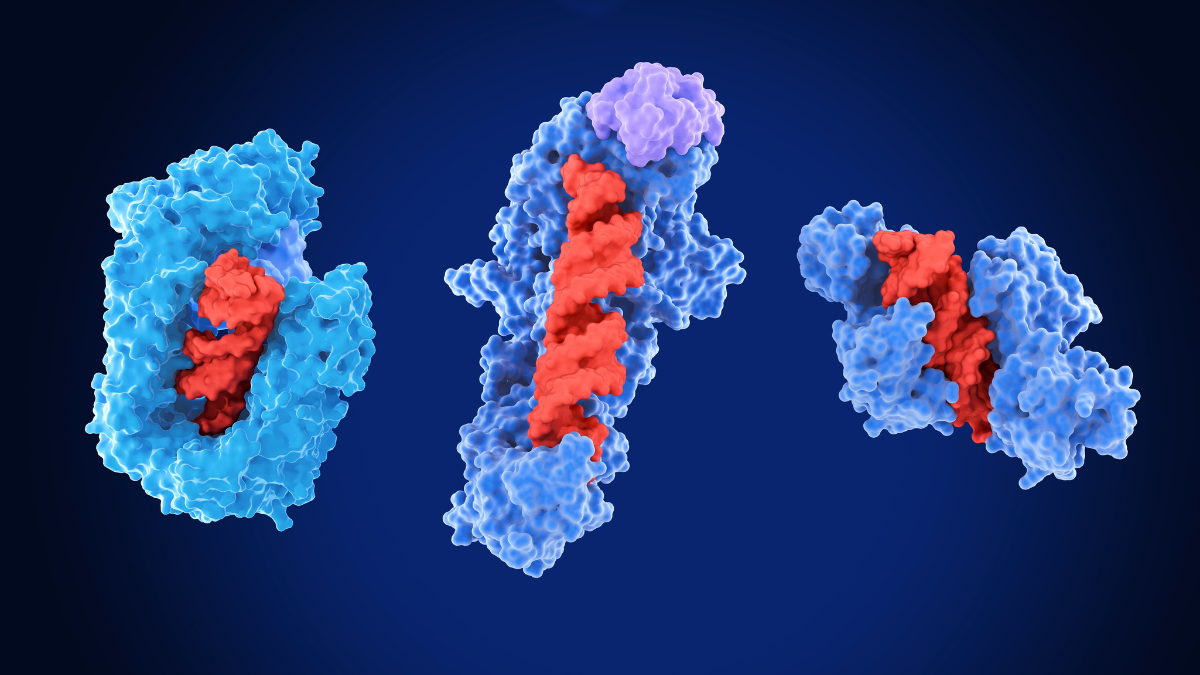
To wrap up the year, there is an invitation to Australian EMCR researchers in structural biology computing to share their work at a special edition of the ASBC community meeting on 4 Nov 2026. Whether you're in the middle of a project, have completed a project, or published a paper, you are invited to give a 15 minute talk.
Example projects could use methods related to structure prediction, structure search, protein design, functional annotation, molecular dynamics, CryoEM or other related areas. It is a great opportunity for EMCRs to promote their work with the national community and network with potential collaborators. Four talks will be selected via an informal and friendly application process.
Please send your talk title and a ~250 word abstract to asbc@unsw.edu.au by 31 Aug 2026 to be considered.
BioShell opens a new gateway to national compute for life science researchers
A new ready-to-use virtual environment offers researchers immediate access to a curated set of bioinformatics tools and datasets. BioShell provides a command line interface that is preconfigured for bioinformatics and uses national computer resources, at no cost to researchers.
A new ready-to-use virtual environment offers researchers immediate access to a curated set of bioinformatics tools and datasets. BioShell provides a command line interface that is preconfigured for bioinformatics and uses national computer resources, at no cost to researchers.
By removing the usual ‘setup friction’, BioShell allows researchers to focus on their science, rather than troubleshooting environment configuration or software installations. BioShell offers access to a safe space to experiment on the command line with more power than available on a laptop, avoiding the steep learning curve, complex allocation requests, or specialised architecture required to use high performance computing (HPC) services.

How does BioShell support life science research?
The rapid increase in the volume of available research data in the life sciences necessitates increasingly complex tools to perform effective analysis. BioShell supports researchers with a safe, pre-loaded, secure environment for working in the command-line environment, without the risk of breaking shared infrastructure.
BioShell’s key capabilities include:
Pre-installed workflow engines: ready-to-use software including Singularity, Nextflow, Jupyter Notebook, and RStudio
Built-in support via Shelley: an intuitive command-line agent that allows novice users to search, and run containers from containerised bioinformatics tools with one command
Full administrative control in a safe sandbox: researchers can run workflows and test pipelines with full privileges in an isolated environment.
How did BioShell evolve?
The development of this service, originally called BioImage, is evidence of sustained, national collaboration across Australian research infrastructures. Initially developed on Pawsey Supercomputing Research Centre’s Nimbus Cloud as part of a BioCommons project in 2023, it was further refined by the Sydney Informatics Hub (SIH) at the University of Sydney with regular usage for Australian BioCommons training workshops. Given how useful BioShell proved internally, the SIH team worked with the Australian Research Data Commons (ARDC) Nectar Research Cloud and National Computational Infrastructure (NCI) to ensure the BioShell environment works well with national compute resources.
Start using BioShell now
Researchers across any university or institute can access BioShell to spin up consistent virtual environments on demand. A new application for access to BioShell offers short-term access to national compute resources without the requirement for a full allocation request. For researchers with existing allocations, BioShell is also available via the image catalogue on the ARDC Nectar Research Cloud.
Find out more and request BioShell access
Australian BioCommons partners with the Sydney Informatics Hub, the University of Sydney to manage BioShell, which is underpinned by computational resources provided by the Australian Research Data Commons (ARDC) and National Computational Infrastructure (NCI), building upon original development by the Pawsey Supercomputing Research Centre. This work is enabled by NCRIS via funding from Bioplatforms Australia.
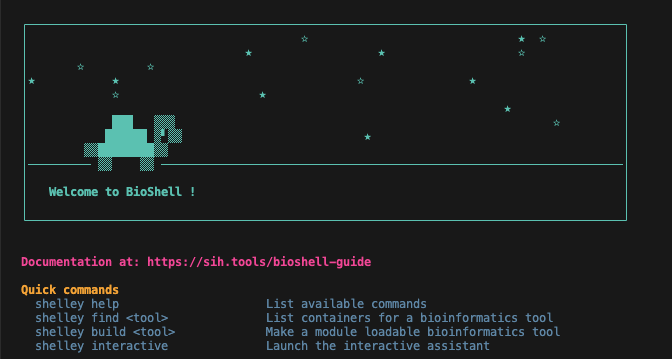
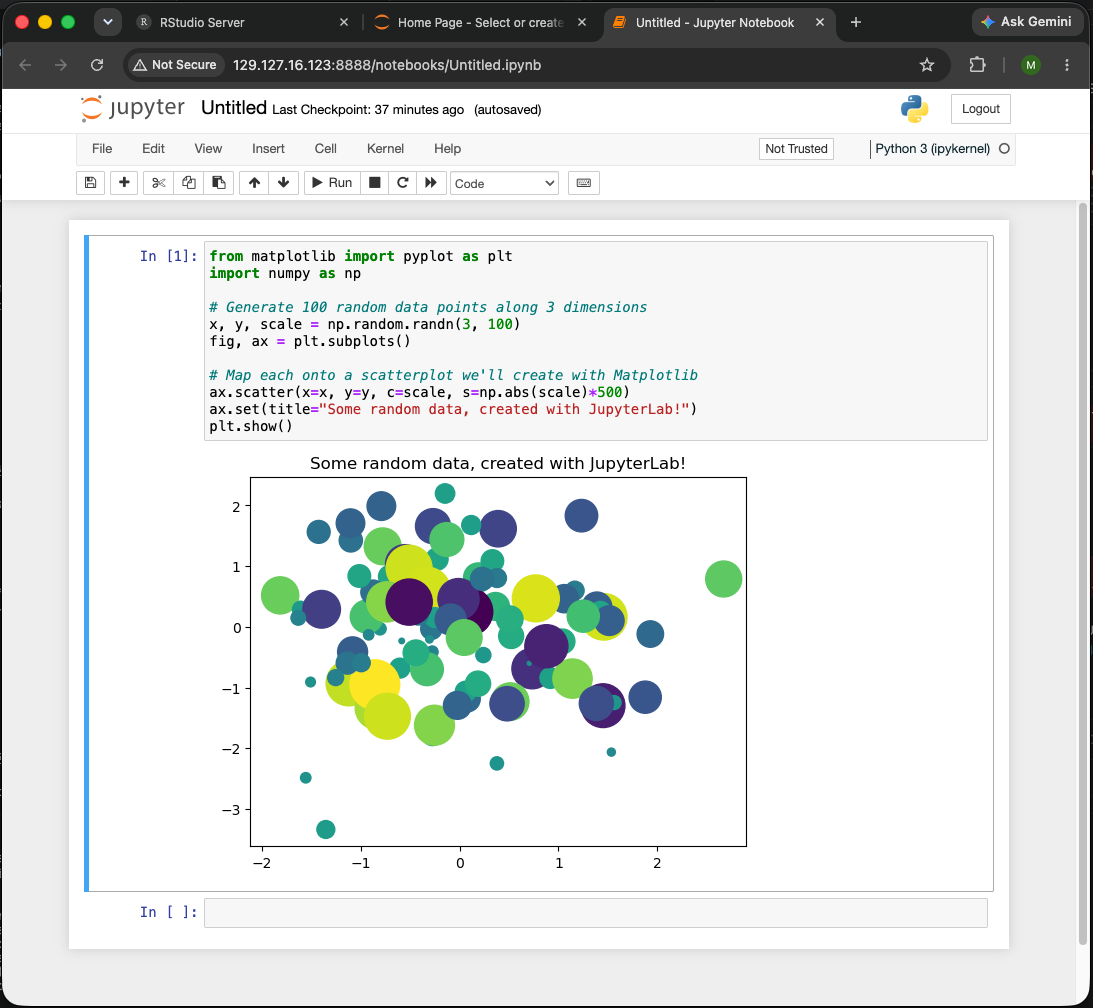
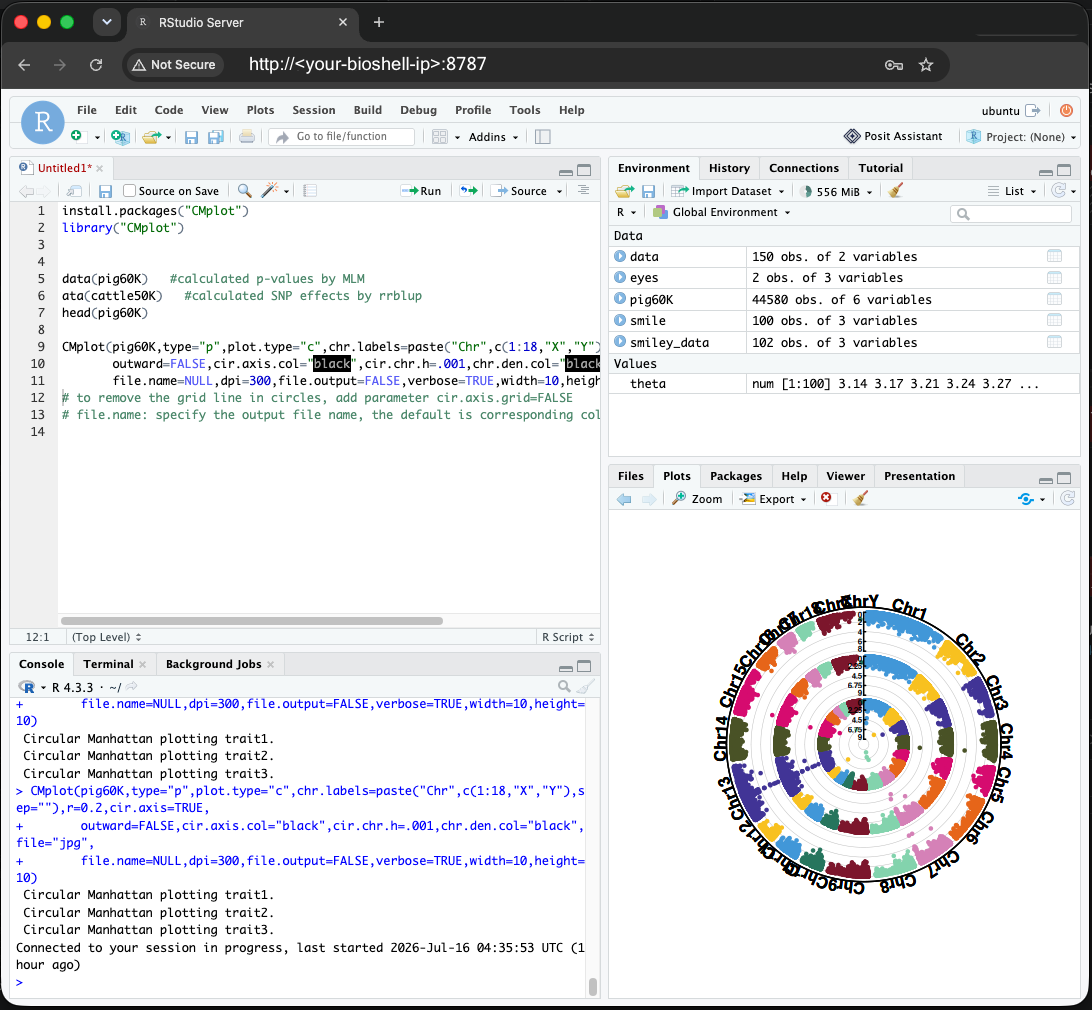
Preview of BioShell’s command line interface, a Jupyter notebook, and RStudio instance.
Scaling bioinformatics and compute access for Australian molecular science research
Seqera has released a new case study featuring Australian BioCommons: Australian BioCommons Standardizes Bioinformatics and Scales Compute Access Nationwide with Seqera.
Seqera has released a new case study featuring Australian BioCommons: Australian BioCommons Standardizes Bioinformatics and Scales Compute Access Nationwide with Seqera. It showcases how BioCommons enables the research community to analyse molecular and biological data at scale through the Australian Nextflow Seqera Service. By leveraging Nextflow and the Seqera Platform, and combining the right bioinformatics expertise and computational infrastructure, the service is driving real-world impact.
“We scaled national access to compute infrastructure. As a result, we now support more than 340 users from more than 40 different Australian organisations.”
— Ziad Al-Bkhetan, Product Manager, Bioinformatics Platforms, Australian BioCommons
The team at Australian BioCommons provides bioinformatics expertise, researcher support, and technical consultations to help researchers effectively utilise bioinformatics software and computational infrastructure for their work. This has standardised bioinformatics analysis nationwide, scaled compute access and capacity beyond institutional limits, and reduced costs by eliminating duplicated infrastructure and set up burdens for individual research groups.
“Seqera Platform has helped us a lot. We've been able to invite our researchers to jump in and see if the platform meets their needs. With the support of the BioCommons, we've had 15 researchers across 7 of our different research groups try it out. It's made launching pipelines easy for researchers who are not familiar with linux systems and command line.
— Julie Iskander, WEHI's Research Computing Platform Engineering team
The success of the Australian Nextflow Seqera Service has earned the team an invitation to present at the upcoming Nextflow Summit. They hope to share the journey of building this nationwide service, highlighting the collaborative effort required to coordinate multiple partners and the transformative impact delivered to researchers. The presentation, “Nextflow Across Australian BioCommons: From Community Training to National Research Infrastructure”, will cover how over the past few years BioCommons has taken a leading role in accelerating Nextflow adoption. Coordinated national activities have spanned live training, reusable training resources, community engagement, and establishing national-scale services for several general-purpose and specialised applications, such as molecular biology and biosecurity. Importantly, it will also describe how these complementary investments have supported the growth of a sustainable national Nextflow ecosystem and the importance of building community capability alongside production research infrastructure.
Explore the Australian Nextflow Seqera Service or read the full case study at Seqera.io.
Australian BioCommons operates the Australian Nextflow Seqera Service in collaboration with Pawsey Supercomputing Research Centre, National Computational Infrastructure (NCI), and Seqera. The Service was established as an output of the Australian BioCommons Bring Your Own Data Expansion Project and is hosted on Amazon Web Services (AWS). These efforts are enabled by NCRIS via funding from Bioplatforms Australia.
Deep learning meets genome annotation: rapid gene prediction tool now available
The deep learning-based genome annotation tool, Tiberius, is now available in Galaxy Australia. After being wrapped and extensively tested, it is freely available for everyone’s use in the Genome Lab.
The deep learning-based genome annotation tool, Tiberius, is now available in Galaxy Australia. After being wrapped and extensively tested, it is freely available for everyone’s use in the Genome Lab.
Tiberius offers gene structure prediction from genomic sequences alone (ab initio). With accuracy that matches tools using extrinsic data, it provides end-to-end prediction of protein-coding genes. Tiberius can be installed and run by individuals, and also parallelised on HPC systems. But now that the wrapper is available in the Galaxy toolshed, it can easily be used by Australian researchers in the Galaxy Australia platform (or installed on any other international Galaxy instance). Tiberius has been trained on organisms in Bacillariophyta, Chlorophyta, Fungi, Insecta, Mammalia, Mesangiospermae, and Vertebrata, and all of those models are available on Galaxy.

During an internship with the Australian Tree of Life Bioinformatics team, University of Queensland PhD candidate, Jane Tung, did much of the initial work to get Tiberius up and running. She benchmarked the performance of three traditional and two machine learning-based eukaryotic genome annotation pipelines using datasets spanning fungi, plants, insects, fish, lizards, amphibians, birds and mammals. Tiberius completed the annotation in a fraction of the time and used fewer resources compared to the traditional pipelines, without a negative effect on quality metrics. Jane will be discussing these findings further in November via the webinar Benchmarking the latest annotation pipelines on Australian reference genomes.
The performance of Tiberius without RNAseq data made this tool the perfect candidate for rapid gene prediction on assemblies produced by the Genome Engine in the Australian BioCommon’s Australian Tree of Life (AToL) project. It has become an essential part of the Genome Engine that will enable rapid, automated assembly, annotation and publication of genomes.
While Tiberius was prioritised for inclusion because it’s an important part of the AToL project, individual researchers can also request the installation of new tools or datasets in Galaxy Australia. For researchers wanting to contribute to the international open source Galaxy community directly, there are supportive guidance videos for DIY tool wrapping. Proactive community members recently took up the challenge, and collaborated with BioCommons to make the first dedicated glycomics tool and workflow available on Galaxy.
Try out Tiberius in the Galaxy Australia Genome Lab
Register for the webinar Benchmarking the latest annotation pipelines on Australian reference genomes