Past Events
2026
A hands-on introduction to the fundamentals of RNA-Seq analysis using the Galaxy platform.
Follow a data engineer’s journey in building the infrastructure needed to support a data sharing platform. We’ll cover key concepts in managing the end to end flow of data, and hear what considerations and choices are essential to achieving a robust system.
This webinar discusses how genomic data is moving from research to the clinic, and why research data infrastructure must pivot to facilitate this important shift.
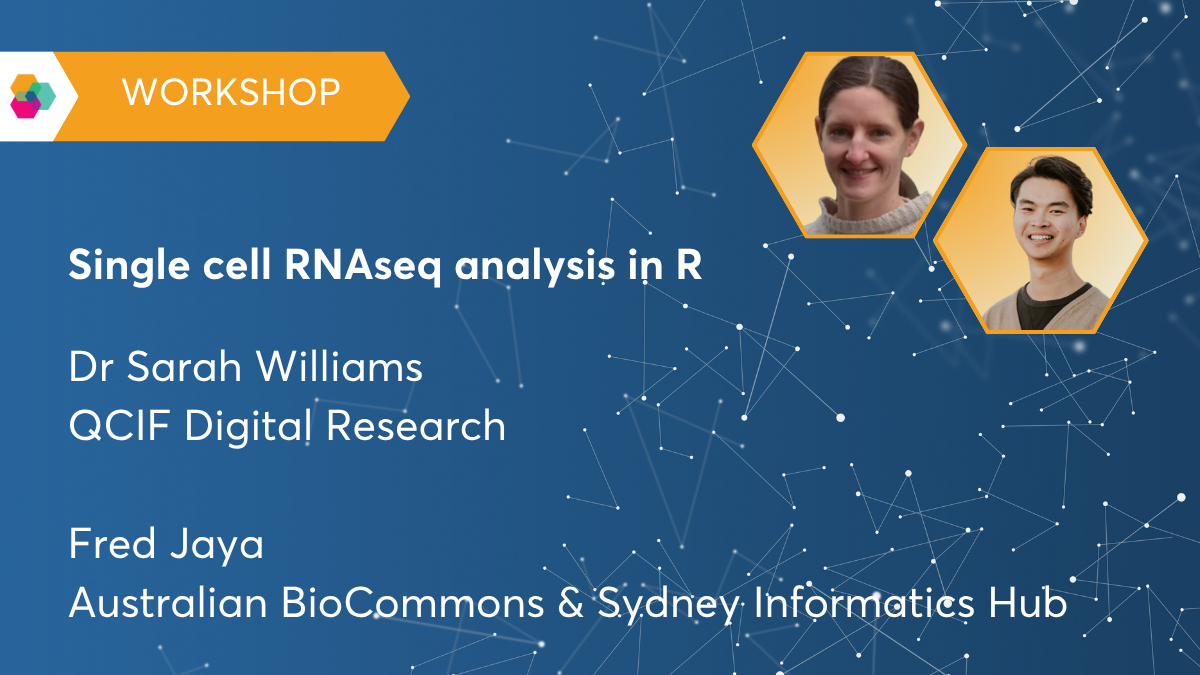
Analysis and interpretation of single cell RNAseq (scRNAseq) data requires dedicated workflows. In this hands-on workshop we will show you how to perform single cell RNAseq analysis using a number of tool.
A guided introduction to next generation sequencing (NGS) technologies and the fundamental bioinformatics analysis involved in modern sequencing analysis.
A guided introduction to the Galaxy Australia platform, including how to navigate the interface, manage data, run tools, create workflows, and access training resources.
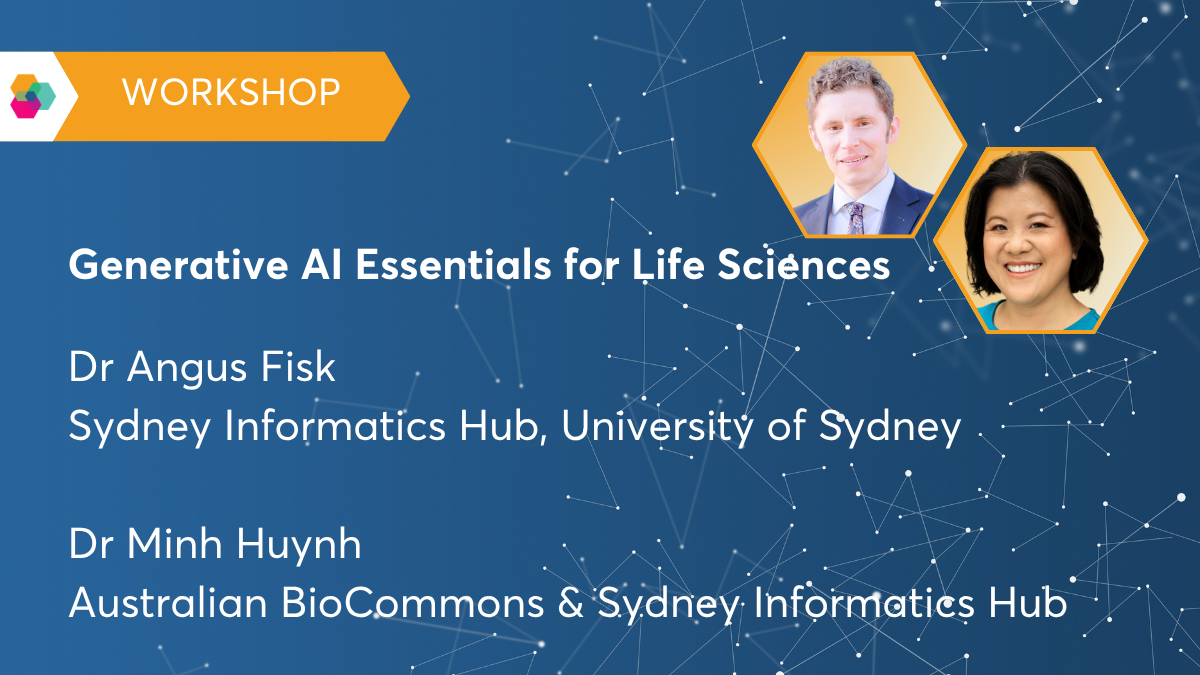
An interactive workshop to help life science researchers use generative AI responsibly and effectively by aligning models to specific research tasks.
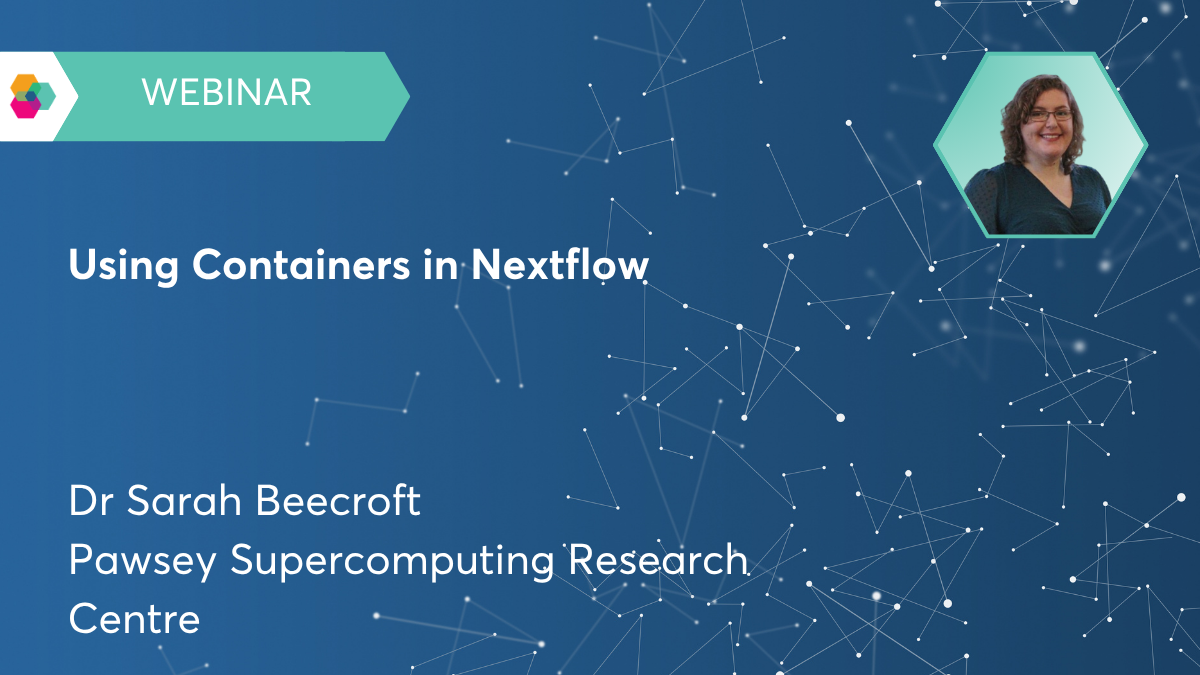
Learn how to run Nextflow workflows using container images from public registries and local systems for reproducible bioinformatics analyses.
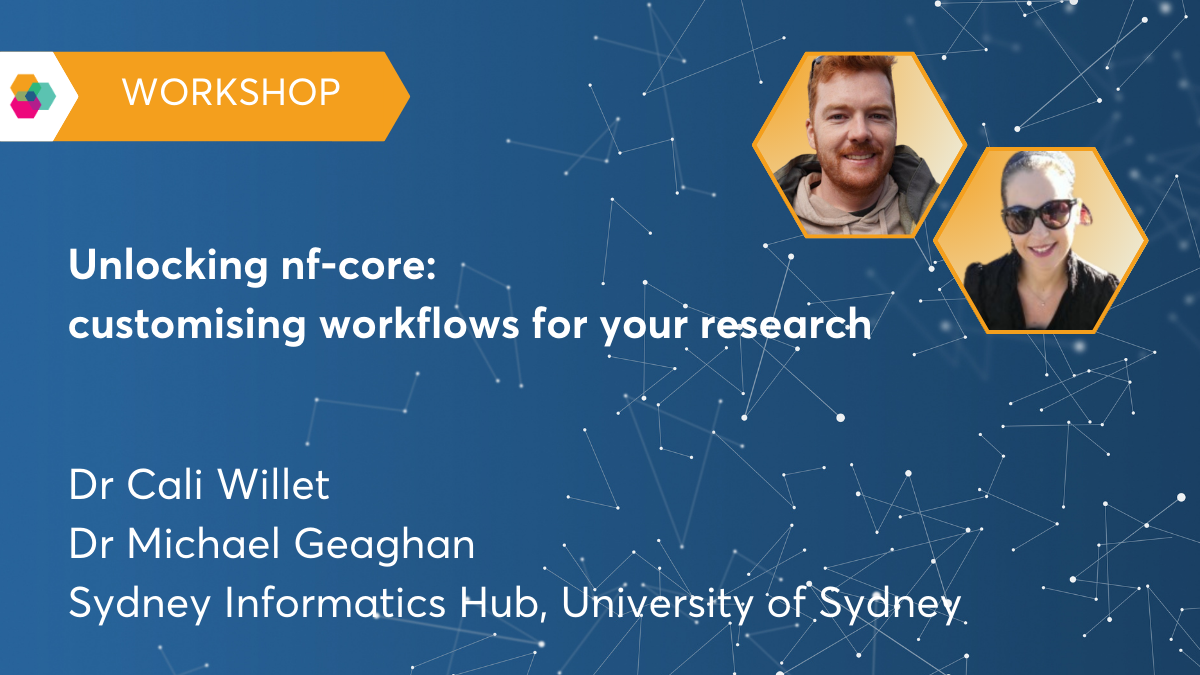
A practical workshop to set you up with the foundational knowledge required to run and customise nf-core workflows in a reproducible manner.
This week-long, completely free, global online event will help you master the Galaxy platform for data analysis.
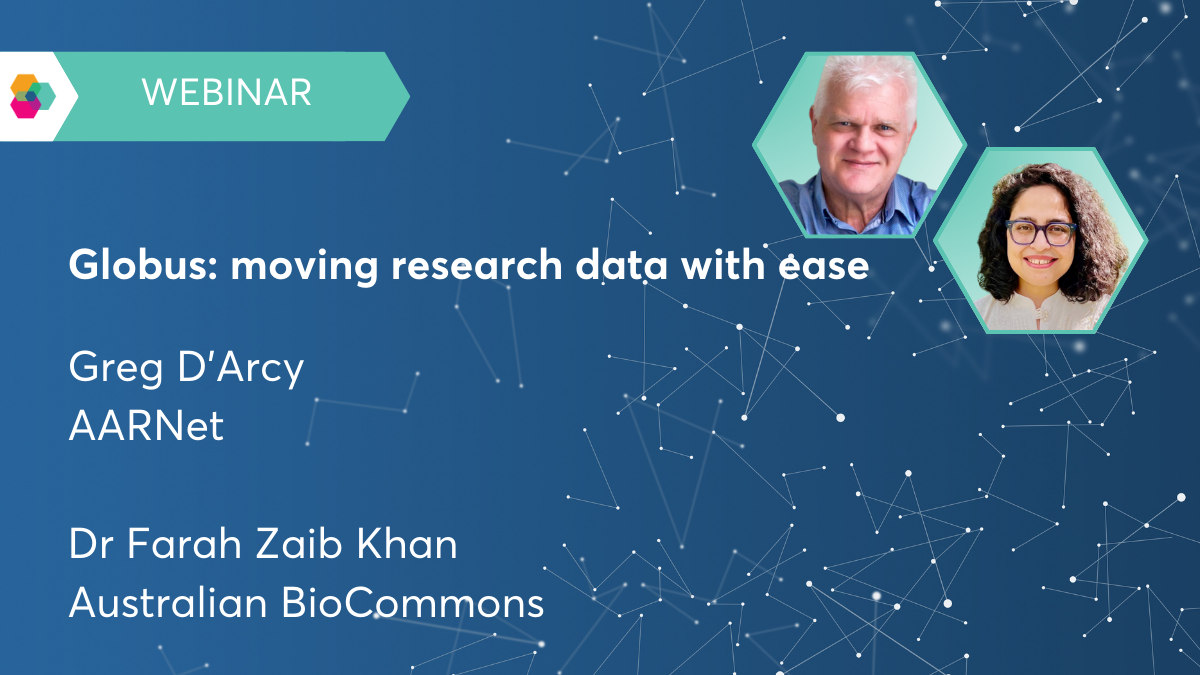
This webinar introduces Globus as a powerful solution for life science researchers to manage the transfer of massive datasets with ease.
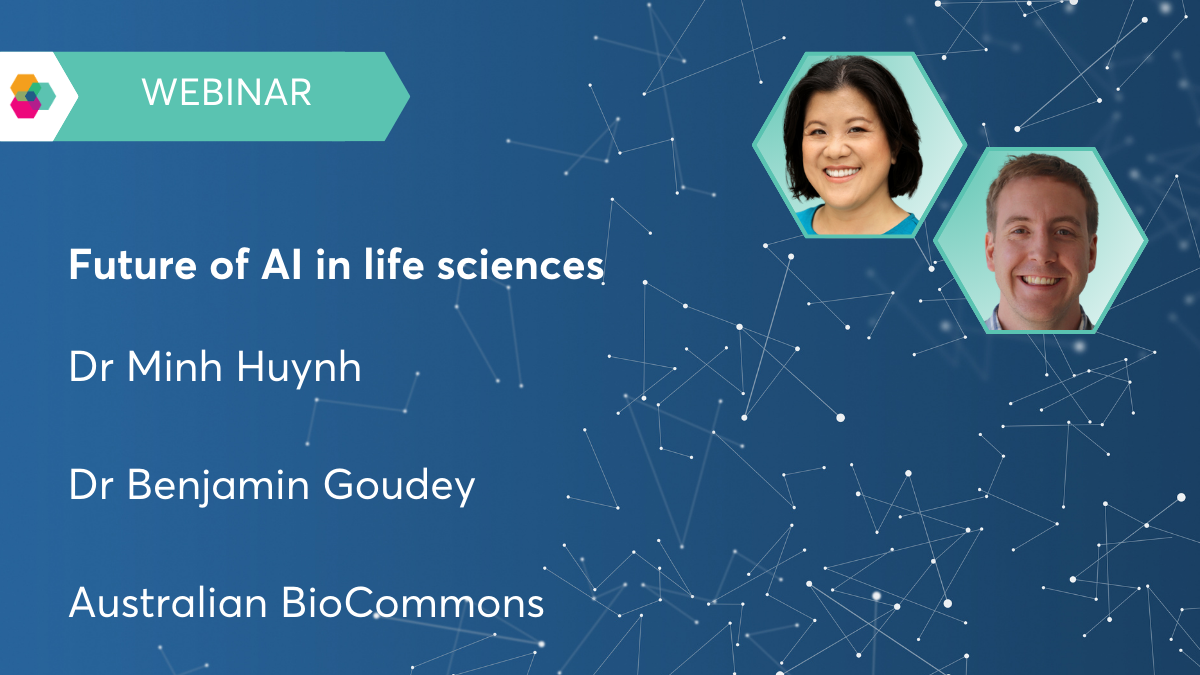
Australian BioCommons is mapping the future of AI in the life sciences. Join the webinar to hear the results of our national consultation and preview our new training program.
Join Dr Andrew Bisset to explore how the Australian Microbiome initiative provides a uniquely comprehensive, national-scale dataset to track microbial communities and their responses to environmental change.
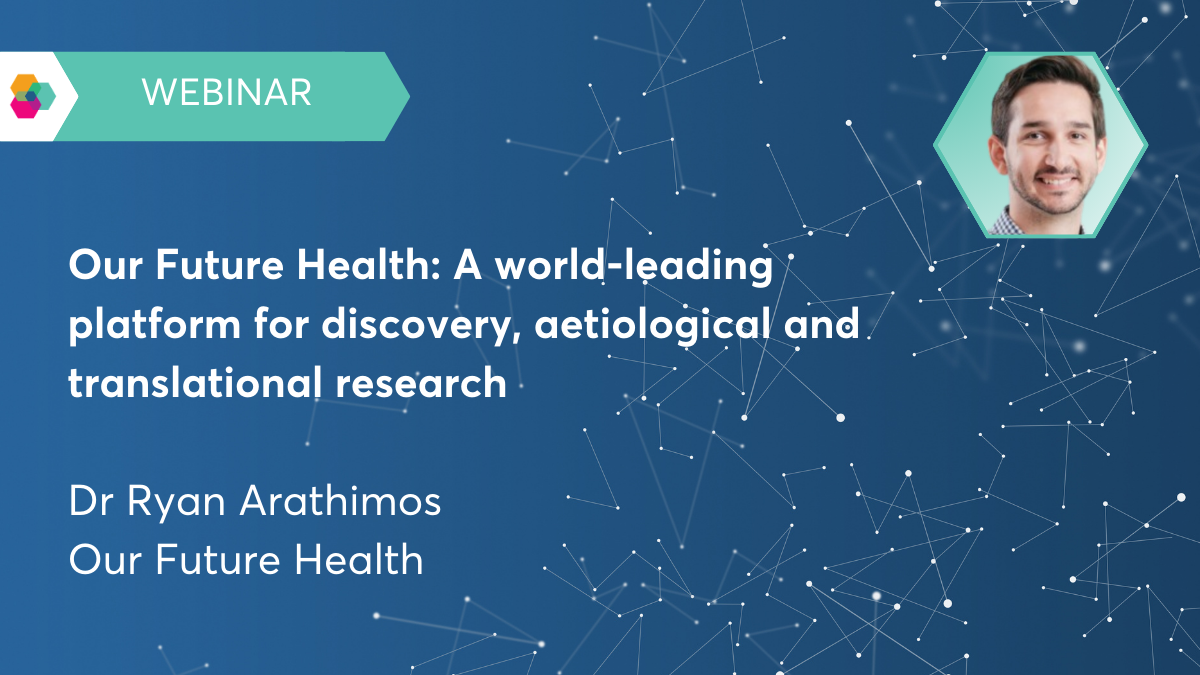
Discover how Our Future Health is building the world’s largest prospective cohort study of 5 million participants to catalyse discovery and translational research.
Join Dr Simon Breeden to discuss the background, development and impact of the Technician Commitment, an internationally recognised initiative that is driving culture change for the technical community.
2025

Learn how to take your bioinformatics pipelines to the next level by scaling them on Australia’s national high performance computing (HPC) clusters.
The Australian Outpost will gather to work locally and check in regularly with our international colleagues at this year’s BioHackathon Europe.

Learn how to analyse data from in situ spatial (e.g. CosMx, Xenium) experiments with Seurat in R to visualise gene expression within tissue samples.
The Australian Outpost will gather in Melbourne to work locally and check in regularly with our international colleagues at this year’s Optimising Metagenome Assembled Genomes building workflows hackathon.

Start navigating the evolving field of spatial omics and the numerous methods available and explore considerations for analysis of spatial omics data.

A hands-on introduction to machine learning: what it is, its advantages and disadvantages compared to traditional modelling approaches and the types of scenarios where it may be the right tool for the job.

Get started on the path to writing your own reproducible and scalable scientific workflows using Nextflow.

Be inspired by case studies that show you how deep learning methods are speeding up the process of designing proteins with desirable biophysical properties.

Get an introduction to workflow registries and support to register your workflows on WorkflowHub.

Gain insights on how Artificial Intelligence (AI) is shaping life sciences and discover ways to integrate AI into your research.

This week-long, completely free, global online event will help you master the Galaxy platform for data analysis.

Learn why Galaxy is versatile platform for online analysis of biological data whether you are new to data analysis or are looking to take your workflows to the next level.

This workshop provides an introduction to the ENA data and metadata model and data retrieval tools, followed by an opportunity to practice retrieving a range of different data types from the ENA using a variety of tools and protocols.

This series of workshops will introduce the ENA data and metadata model followed by hands-on exercises on submitting data using example data sets. It’s designed with flexibility in mind - apply to attend the workshop(s) most relevant to you.


Move beyond the AI hype and discover how Artificial Intelligence (AI) can be applied in the Life Sciences
2024

Gain a foundational understanding of standard machine learning processes and practice your newly acquired skills in this hands-on session with real-world datasets.

Learn how Seqera Platform is useful in different research applications and how to access the new subsidised Australian Nextflow Seqera Service.


Explore essential guidelines with us to ensure robust evaluation and reproducibility of machine learning models in life science research
Register

Continue in the functional enrichment analysis mini series and get hands-on with some of the most commonly used databases and tools.

The Australian Outpost will gather to work locally and check in regularly with our international colleagues at this year’s BioHackathon Europe.
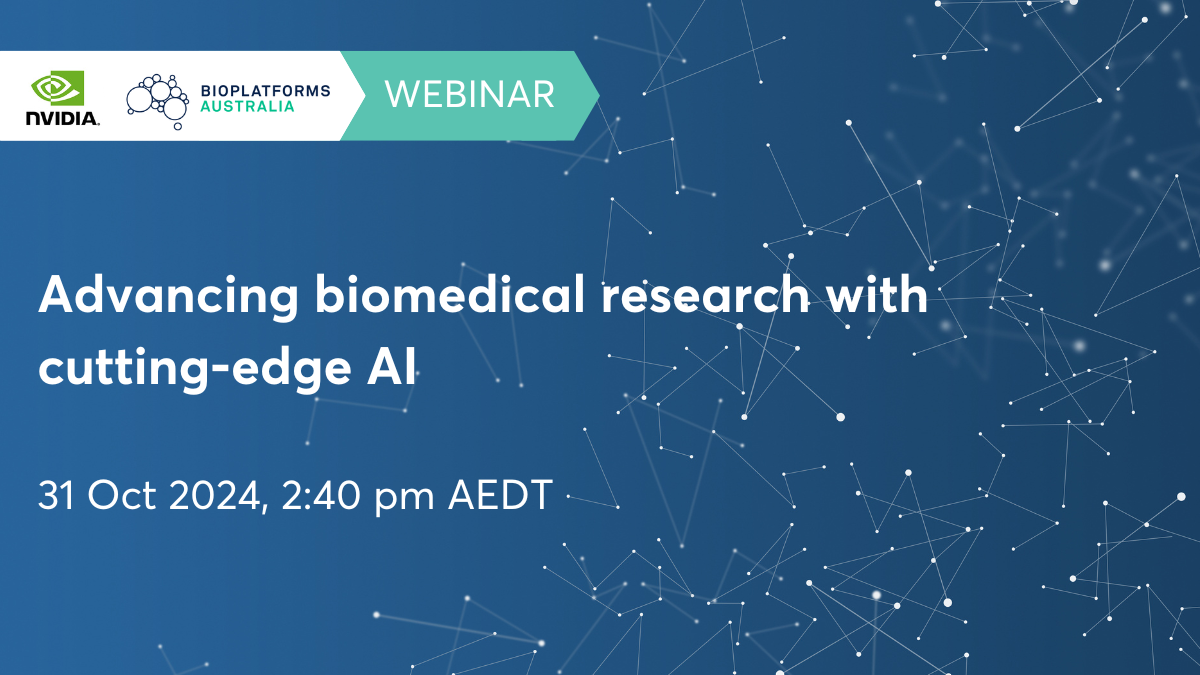
Join Bioplatforms Australia and NVIDIA to delve into the latest advancements in AI-driven biomedical research.


This introductory webinar will discuss how functional enrichment analysis can be used to gain insights from long lists of genes or proteins. It's part of a mini series on functional enrichment analysis.
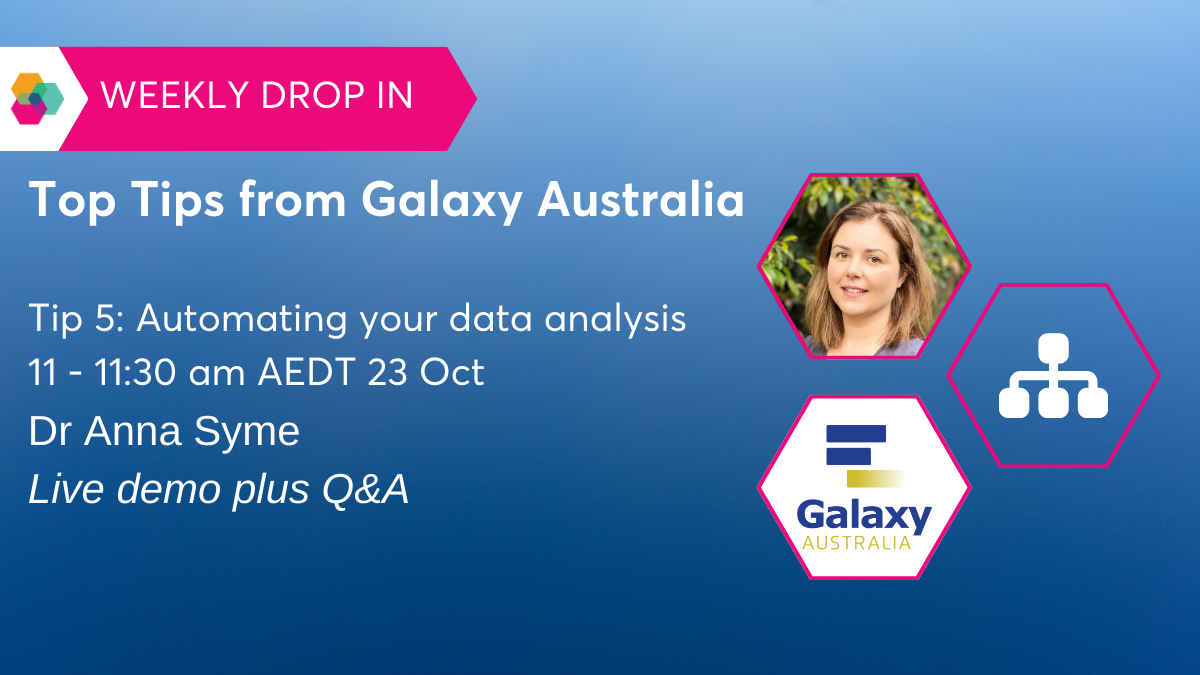


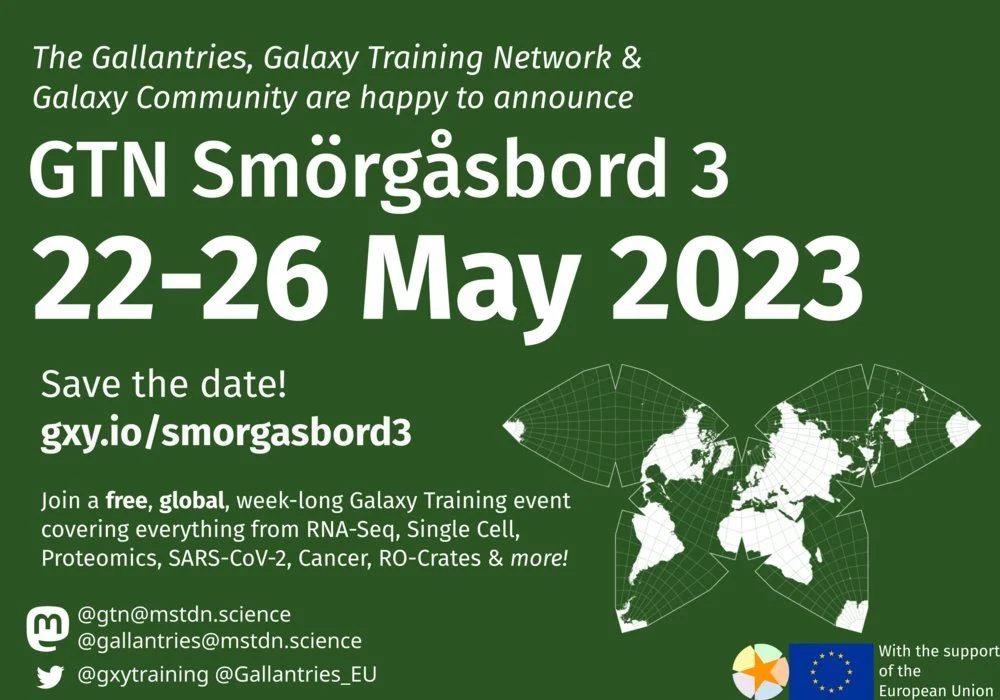
This week-long, completely free, global online event will help you master the Galaxy platform for data analysis.


Join this open drop in session where the team will share tips, tricks, and nifty ways to make your life using Galaxy easier and faster.

Get started on the path to writing your own reproducible and scalable scientific workflows using Nextflow.

Take a whirlwind tour of the human genomics data resources available at EMBL-EBI that are used by scientists across the world to discover and explore genes, variants and their impact on human health and disease.

Discover how Nextflow is transforming the bioinformatics landscape with cutting-edge pipelining solutions.

Join this open drop in session where the team will share tips, tricks, and nifty ways to make your life using Galaxy easier and faster.

Join this open drop in session where the team will share tips, tricks, and nifty ways to make your life using Galaxy easier and faster.

Learn how to use Galaxy Australia to analyse RNAseq data and identify differentially expressed genes.

Join the Oceania-timezone friendly day of the Workflows Community Initiative 2024 Summit.

Get an introduction to Galaxy Australia and its tools for accessible, reproducible, and transparent computational biological research.

‘Doing’ bioinformatics to extract, process, analyse, and interpret experimental results is something that all life scientists do as part of their research. But what exactly is bioinformatics? And is there a right (or a wrong) way to do it?

Join this open discussion to identify challenges you face when accessing data from international repositories, or share strategies that you think will help.

Learn the basics of genetic selection analysis and step through the process of identifying signals of selection in an example genomic dataset.

Go back to basics and get a better understanding of the principles of phylogenetics and how the methods work. Maybe you've even built phylogenetic trees before but want to know more about the principles behind the tools.

A hands-on introduction to machine learning: what it is, its advantages and disadvantages compared to traditional modelling approaches and the types of scenarios where it may be the right tool for the job.
Applications have closed

Curious about how to use AI tools in your research? This talk will explore AI can accelerate research processes, from data analysis and code writing to hypothesis development.

Learn the basics of genetic selection analysis and step through the process of identifying signals of selection in an example genomic dataset.

Do you work with metabolomics data or plan to in the future? Learn more about MetaboLights, an open-access database for metabolomics studies, their raw experimental data and associated metadata.

Learn more about the MaveDB repository and how Multiplexed Assays of Variant Effect (MAVEs) are being applied clinically.


Learn about mixOmics, a popular tool for integration of multi-omics datasets and how it is being used in a variety of studies.
Learn the basics of genetic selection analysis and step through the process of identifying signals of selection in an example genomic dataset.
Applications have closed

2023

Join this regular 30 min informal online chat about life science research, bioinformatics and research infrastructure. New topics and speakers each month.

The Australian Reference Genome Atlas (ARGA) is a service to discover and use valuable genomic data from species relevant to Australia. Join us for the online launch of this foundational new research infrastructure.

Join this TechTalk session to learn about Total Perspective Vortex, a Galaxy plugin that ensure jobs are appropriately resourced.

Learn RNAseq fundamentals as you process, analyse, and interpret the results from a real RNAseq experiment using the command line and R.
Applications have closed

Find out how BioSamples can be used to enable FAIR multi-omic data sharing and integration and how this has been beneficial, for example to support the COVID-19 pandemic response.


Gain an understanding of the key considerations for designing and performing your own successful experiments with bulk RNA, from the lab bench through to the sequencing machine, data processing and analysis.

See how to make the most of Galaxy Australia, TIaaS and the Galaxy Training Network for bioinformatics training. We’ll highlight all the nifty features you can use to plan, manage and deliver training to any size audience efficiently.

In this ANZMetSoc hosted webinar, Dr Johan Gustafsson presents an overview of the BioCommons’ community engagement process and efforts to build an Australian community focused on computational metabolomics.

This meeting is for people who are interested in the opportunities that scientific engagement, community building and training can bring to research infrastructures.
ARDC-led webinar featuring Dr Katharina Heil and Dr Frederik Coppens from ELIXIR. This event is for people interested in best practices in RDM and how to implement the FAIR principles for research outputs.

If you are a Galaxy user, a Galaxy coder, an e-researcher, or simply interested in open and reproducible science then GCC2023 in Brisbane is the conference for you!

The Gen3 Community Event ‘Data Modeling in Gen3 Data Commons’ will include presentations from four data commons operators discussing how they have created their data dictionaries and the tools or processes they use for updating these.

Get an introduction to Janis and how it can be used to translate Galaxy and CWL based tools and workflows into Nextflow.

The Human Genome Platform Project team share a case study from the Garvan Institute of how they enabling discovery and access to multiple genomics data cohorts using the GA4GH Beacon protocol and REMS software.

Learn what to look out for when designing and understanding proteomics experiments including what you can and can’t do, the type of data to expect, common data analysis approaches and quality control steps.

Navigate the world of HPC for running and developing bioinformatics workflows. Learn about architectural features to take advantage of and get pro-tips for dealing with common pain points.

This workshop will set you up with the foundational knowledge required to run and customise nf-core workflows in a reproducible manner.

Beyond the hype, what does AlphaFold mean for structural biology as a field (and as a career)? Dr Craig Morton joins us to share his views and some examples of how it can be used for protein structure/function analysis.
Get an introduction to workflow registries and support to register your workflows on WorkflowHub.

Discuss the theme of development and sustainability of biodata resources with a panel of guests from the Global Biodata Coalition and the challenges faced by three well established and highly curated Australian data resources: Stemformatics, Community for Antimicrobial Drug Discovery (CO-ADD) Database and InnateDB.
2022

The use of genomic testing is increasing rapidly as the cost and speed of genome sequencing reduces. We’ll hear from two people working at the coalface of clinical variant interpretation – one in a diagnostic laboratory and the other in a cancer research laboratory - and about some of the pipelines and approaches they are using.

Join us to help review the Bicycle Principles to deliver effective, inclusive and career-spanning short-format training in bioinformatics and digital research skills.
Find out how educators and trainers can use education theory and community experience embedded in the Bicycle Principles to improve short-format training so that it is effective, inclusive and scalable.
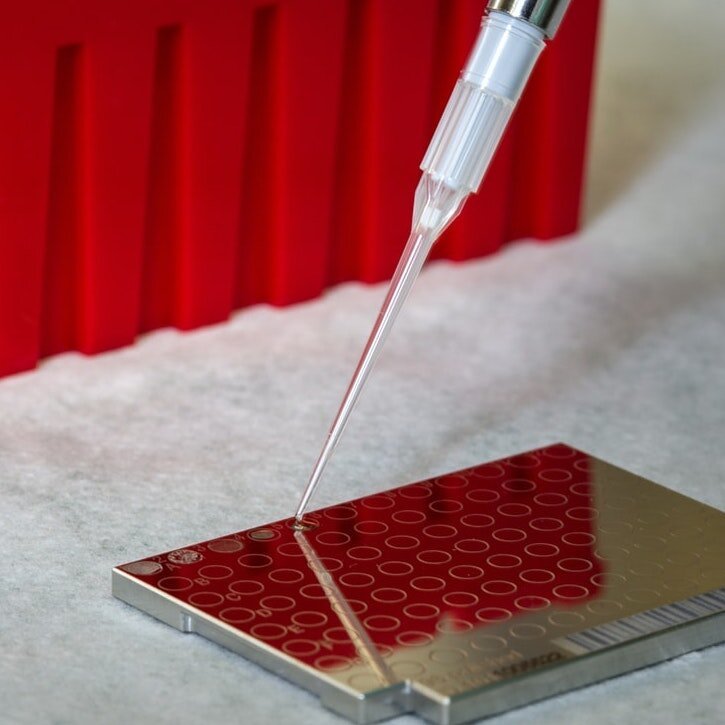

Discover the power of Galaxy for construction and (re)use of reproducible bioinformatics workflows, whether building workflows from scratch, recreating them from published descriptions and/or extracting from Galaxy histories.

Learn how to identify differentially expressed genes and pathways from RNA-seq data using a nf-co.re workflow
Applications closed

Find out how you can deploy freely available Nextflow (nf.co-re) bioinformatics workflows with a single command. We describe how you can quickly get started deploying these workflows using Pawsey Nimbus Cloud.

Walk through the essential steps and considerations for running and building reproducible WGS mapping and variant calling pipelines.

Hans Ienasescu explains how bio.tools uses a community driven, open science model to create this collection of resources and how it makes it easier to find, understand, utilise and cite them.

Learn to use R and R studio to efficiently and reproducibly organise, manipulate, analyse, visualise, and generate reports from your data.
Applications closed

Professor Mark Taylor explores the relationship between the legal concept of genetic information and the concept of genomic data relevant to health and medical research, reflect on the characteristics of each, and the possibility of more clearly identifying the legal rights and responsibilities which attach to the use and disclosure of genomic data in the future.

Learn how to analyse your data and use sophisticated computational workflows without the need for programming experience.

This webinar has been postponed. We hope to announce a new date for later in the year soon.
Dr Carolyn Hogg speaks about the work she has been doing with the Threatened Species Initiative to build genomic resources to understand and protect Australia’s threatened species.

How can you make, share and maintain good research software in a way that will advance your career? Hear from a range of panellists who invest a lot of their time, writing, reviewing and maintaining bioinformatics software tools.

Learn how to conduct high-quality microbial analysis of comparison samples using Qiime2.

In this webinar you’ll hear from UMCCR and Zero about their experiences and progress towards establishing Gen3 instances to better enable better human genome data sharing. They will outline the challenges and opportunities that have arisen through this Australian BioCommons project and demonstrate the capabilities of Gen3 for human genome research.
2021


Australian BioCommons projects draw key players together to deliver complex enhancements and new solutions for the digital life sciences. Join us to discover the breadth of our activities, review the impact we’re having and connect over a collaborative vision for the future of Australian bioinformatics and bioscience research infrastructure.

Create high-quality reference genomes using hybrid genome assembly methods in Galaxy Australia.
Applications have closed

Find out how you can get access to the Apollo Service for real-time collaborative curation and genome annotation editing

Explore useful Bioconductor functions for working with genomic data and other biological sequences.
Applications closed

Discover KBase a free, open source, software and data science platform for systems biology and predicting and designing biological function.
Presenters: Ellen Dow, PhD and Elisha Wood-Charlson, PhD

Take your first steps into bioinformatics by stepping through a "normal" transcriptomics pipeline. Experienced trainers will introduce various tools along the way that you’ll need to process the data. This workshop is being offered by the Australian Computational Biology and Bioinformatics Student Society with support from Australian BioCommons.

This interactive beginners workshop will provide an introduction to using Galaxy for online data analysis.
Applications closed
Insight into what makes a strong NCMAS application for access to high performance computing facilities

Learn how to understand the compute requirements for your bioinformatics workflows and how to access compute that suits your needs.

Get hints and tips for getting started with using R for data analysis.
Presenter: Dr Saskia Freytag, Postdoctoral Fellow, Harry Perkins Institute of Medical Research.

This workshop aims to build capacity in SARS-CoV-2 data analysis and data management, including data submission to ENA.

Nextflow Tower is a centralised command-post that brings monitoring, logging & observability to distributed workflows and simplifies the deployment of pipelines on any cloud, cluster or laptop.
Presenter: Dr Evan Floden, CEO & Co-founder, Seqera Labs

Learn hints and tips for getting started with deep learning.
Presenter: Dr Titus Tang, Senior Deep Learning Engineer, Data Science and AI Platform, Monash University

Learn hints and tips for getting started with using the command line for data analysis.
Presenter: Parice Brandies, School of Life and Environmental Sciences, The University of Sydney.

Showcasing HybPhaser, a novel bioinformatics workflow for detecting and phase hybrids in target capture datasets.
Presenter: Dr Lars Nauheimer, Australian Tropical Herbarium

This webinar will provide an overview of the phosphoproteomics data analysis website, Phosphomatics, that simplifies the process of extracting meaningful insights from experimental results.
Presenter: Dr Michael Leeming, Mass Spectrometry and Proteomics Facility, University of Melbourne

Hands on workshop on variant calling and visualisation of variants for bacterial organisms.
Applications closed
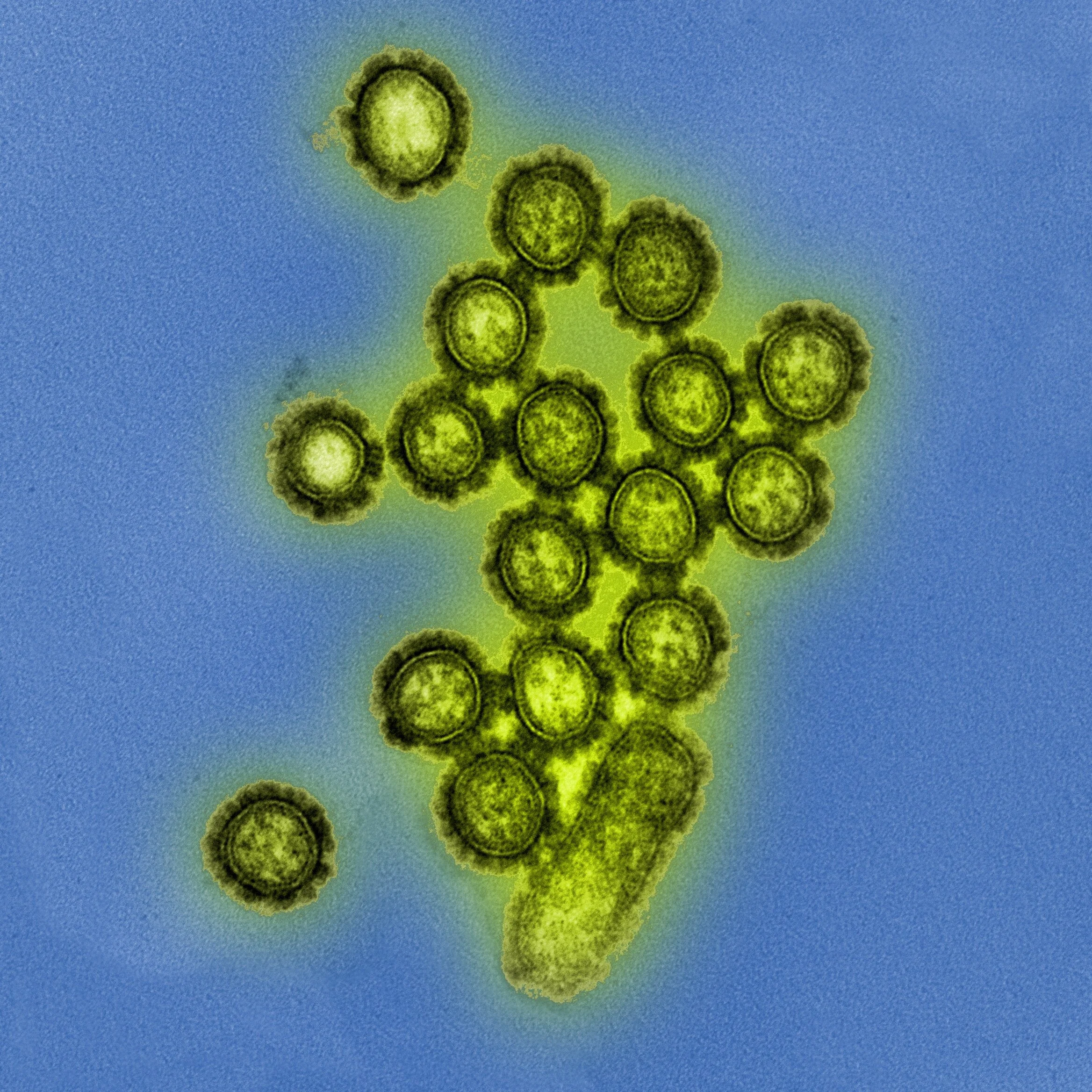
Step through viral variant calling using tools in the Galaxy Australia web platform
Applications closed

Hands on guidance on performing variant calling in polyploid organisms including humans, plants and animals.
Applications closed

Explore three types of discordance in multi-gene datasets and how to address them.
Presenter: Dr Alexander Schmidt-Lebuhn, Centre for Australian National Biodiversity Research, CSIRO

Please note: 10 am AWST
The what, when and why of containers for beginners
Presenter: Dr Sarah Beecroft, Pawsey Supercomputing Centre

Step through genome assembly using chloroplast sequencing data and the Galaxy Australia web platform

Join the global Galaxy community for a guided workshop on bulk and single-cell RNA-Seq data analysis in plants.

Using containers in bioinformatics can bring benefits like software portability, data reproducibility and improved collaboration. Are containers the right fit for your research? This workshop takes you from the absolute basics of containers through to demonstrating how to use containers in your own work.
Applications closed

This interactive workshop will provides an introduction to RNA-seq analysis using Galaxy.

Presenter: Dr Clare Sloggett, The Peter Doherty Institute for Infection and Immunity, University of Melbourne

Presenters: Mark Cowley (Children's Cancer Institute), Jack DiGiovanna (Seven Bridges), Allison Heath (Children’s Hospital of Philadelphia)
2020
Presenter: Dr Anna Syme, Bioinformatician, Australian BioCommons, Melbourne Bioinformatics, University of Melbourne
This interactive beginners workshop will provide an introduction to using Galaxy for online data analysis.

Get hands-on experience with practical tools for organising, storing, sharing and analysing data, in a safe and secure way.
This interactive beginners workshop will provide an introduction to using Galaxy for online data analysis.

Go back to basics in this interactive webinar to explore the factors that influence data movement and discover tools that can be used to move data efficiently.

Presenter: Dr Kerstin Howe, Senior Scientific Manager, Genome Reference Informatics, Wellcome Trust Sanger Institute

Presenter: Dr Anup Shah, Monash Bioinformatics Platform and Monash Proteomics & Metabolomics Facility, Monash University

Presenter: Associate Professor Parwinder Kaur, Director, DNA Zoo Australia, Faculty of Science, University of Western Australia

BCC2020 combines the Bioinformatics Open Source Conference, and the Galaxy Community Conference. It will be held online to allow the international bioinformatics community to share and discuss their work in an engaging and very affordable way. Australian BioCommons and Galaxy Australia and have taken the lead on organising "BCC East" to ensure this a truly global event.

Presenter: Valentine Murigneux, The University of Queensland Genome Innovation Hub and QFAB Bioinformatics
Using containers in bioinformatics can bring benefits like software portability, data reproducibility and improved collaboration. Are containers the right fit for your research? This three-part series takes you from the absolute basics of containers through to demonstrating how to use containers in your own work.
Presenter: Dr Marco De La Pierre, Supercomputing Applications Specialist, Pawsey Supercomputing Centre

Join Galaxy Australia to view the ELIXIR-Galaxy webinar in our timezone and have your questions answered live by the speakers. You’ll be introduced to the Galaxy platform and other public research infrastructure by world leaders in the field. You’ll hear about the motivation behind the Galaxy COVID-19 projects and the benefits of open reproducible research and transparent and interoperable analytics.


This Galaxy-ELIXIR webinar series will demonstrate publicly accessible infrastructure and workflows for SARS-CoV-2 data analyses. Experts from ELIXIR and the international Galaxy community will guide participants step-by-step through setting up and executing the SARS-CoV-2 data analyses workflows developed by the global Galaxy community. After completing the series, participants will be able to fully reproduce the workflows and conduct their own analyses of SARS-CoV-2 data.
Please note these international events will take place 1:00 AM - 2:00 AM AEST.

Presenter: Jason Coposky, Executive Director, iRODS Consortium, Renaissance Computing Institute, University of North Carolina at Chapel Hill


Cavatica is an integrated bioinformatics research platform with compute, storage, and file metadata tagging all in one place.
This workshop will be presented by the Center for Data Driven Discovery in Biomedicine, Children’s Hospital of Philadelphia Research Institute and is primarily targeted at participants from the Zero Childhood Cancer Initiative, ARDC, Children’s Cancer Institute Australia and Australian BioCommons.
Please contact christina@biocommons.org.au if you would like to be considered for participation.
Presenter: Dr Allison Heath, Director of Data Technology and Innovation, Center for Data Driven Discovery in Biomedicine (D3b) at the Children's Hospital of Philadelphia

Creator of Circos, Martin Krzywinski, will demonstrate how to use the visualisation tool for genomic data analysis using Galaxy Australia.
Presenter: Martin Krzywinski, Staff Scientist, Canada’s Michael Smith Genome Sciences Center


Presenter: A/Prof Bernie Pope, Human Genomics Lead, Victorian Health and Medical Research Fellow, Melbourne Bioinformatics, University of Melbourne
2019

Are you a molecular biologist who wants to know more about phylogenetic trees? Maybe you've built phylogenetic trees before but want to know more about the principles behind the tools?
This workshop takes you back to the basic principles and methods of phylogenetic inference. It will demonstrate the use of standard tools to estimate phylogenetic trees from aligned sequence data or distance data to help participants make informed decisions about which methods to use in their own research.
This two-part workshop on 8 November and 4 December and is available at nine locations - please join us at your closest venue!

Professor Dave Burt, Director, UQ Genomics and Chair, GAiA Steering Committee will discus how advances in DNA sequencing technologies are empowering researchers to assemble whole genomes at scale across many organisms and making the analysis of whole genomes a viable methodology to apply in large scale studies.
He will also talk about international efforts that are underway in this space and introduce the Genome Alliance in Australasia (or GAIA) which was launched in July this year and is envisaged as a consortium representing diverse communities with an interest in the genomes and biodiversity of all the Plant, Animal, Fungal and Microbial Species of Australia and New Zealand.
You will also hear from Dr Jeff Christiansen (Chair of the GAIA Working group on Data and Bioinformatics) about how members of this working group (and others) who are undertaking de novo genome assembly, genome annotation and phylogenomics in Australia can engage with various activities that are being facilitated by the Australian BioCommons.


